
View Certified Lab Results

Client Log In
Riverside County
San Diego County
RCR Environmental
RCR Environmental

Promoting Healthier Living through Expert Mold Testing and Professional Mold Removal

Mold Detection

Recognizing the Early Signs of Mold in Your Home

RCR Environmental Team · January 27, 2025

As a homeowner in Southern California, you deal with a unique mix of conditions that can quietly encourage mold: coastal humidity swings, cooler nights followed by warm days, winter rains, occasional plumbing issues, and HVAC condensation—especially in tighter homes with improved insulation. The earlier you spot the warning signs, the easier (and less expensive) it is to fix the moisture source and prevent a small issue from turning into a full remediation project.

This guide breaks down early visual cues, hidden mold indicators, smells and building symptoms, and when it’s time to call a professional—so you can protect your property and your indoor air quality.
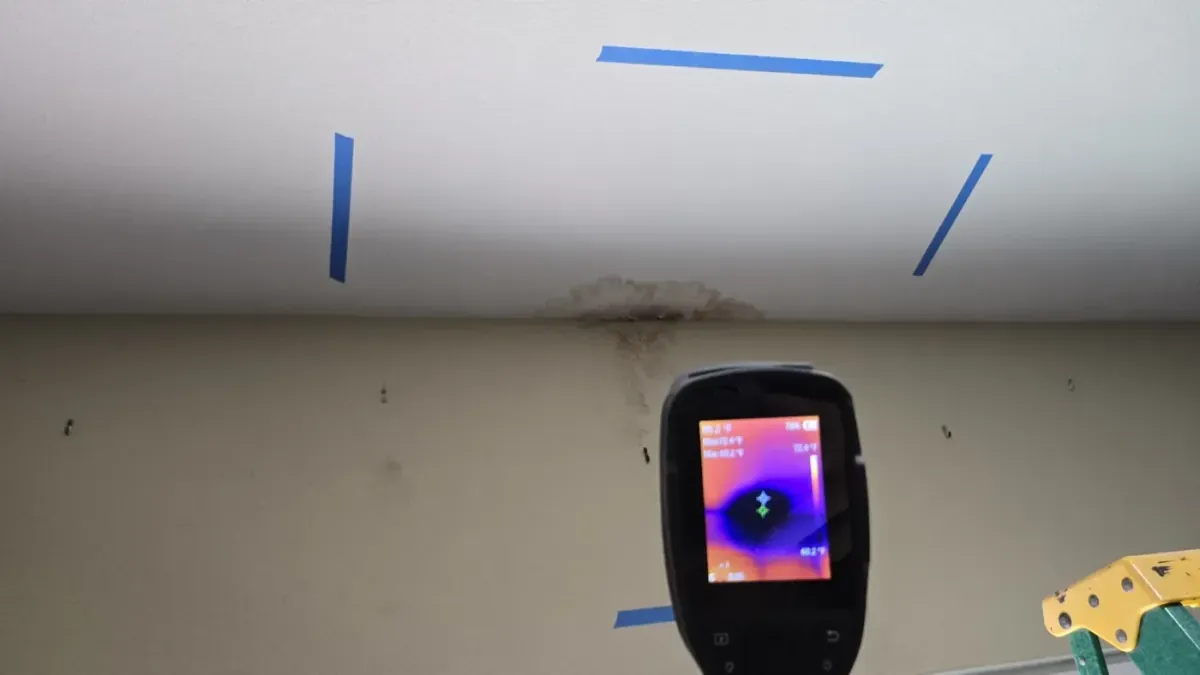
Early signs of mold growth identified on an interior wall surface during a home inspection

Why Mold Starts in Homes (Even "Clean" Ones)

Mold isn’t a sign of a dirty house. Mold is a sign of moisture.

Mold spores are naturally present in the environment. Problems begin when indoor conditions allow spores to settle and grow on materials like drywall, wood, dust, insulation, carpet backing, and fabrics.

Mold growth is most likely when:

  • Humidity stays elevated (often above ~60%)
  • Surfaces stay damp from condensation
  • There’s an active or past leak
  • Wet materials aren’t dried quickly after water intrusion
  • Airflow is limited (closets, behind furniture, under sinks, inside cabinets)

If you can spot early signs, you can usually stop the problem before it spreads.

1) Visual Signs of Mold in Your Home

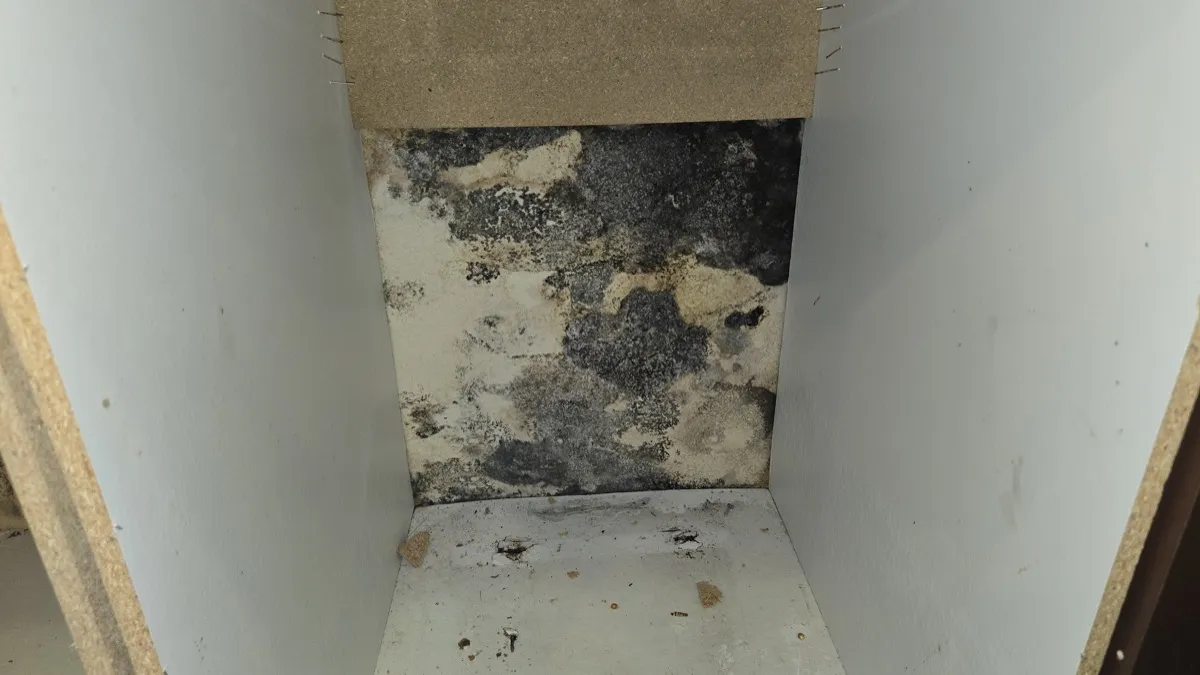
The most obvious sign is discoloration—but mold doesn’t always look like the "classic black spots" people expect. It may show up as faint staining, speckling, or irregular patches.

What mold can look like

  • Small dots that look like pepper flecks
  • Fuzzy or velvety patches
  • Smudgy streaks along corners or grout lines
  • Black, green, gray, white, or even orange/pink growth
  • Growth that returns quickly after cleaning

Common places to check

Bathrooms

  • Grout lines and caulk joints
  • Behind toilets
  • Ceiling above the shower
  • Window sills and frames
  • Under bath mats and around baseboards

Kitchens

  • Under the sink (especially cabinet base and corners)
  • Around dishwasher edges
  • Behind the refrigerator (drip pan area)
  • Around the sink cutout and faucet penetrations

Bedrooms & Living Areas

  • Around window frames (condensation zones)
  • Behind headboards and furniture on exterior walls
  • Closets (especially in corners and behind stored items)

Attics

  • Roof sheathing around bathroom fan ducts
  • Near vents, can lights, or ducting with condensation
  • Areas with poor ventilation or blocked intake/exhaust

Basements / Lower Levels

  • Baseboards on exterior-facing walls
  • Behind stored boxes
  • Near sump pits, water heaters, laundry rooms
  • On exposed wood framing or around cracks

Don’t overlook "water marks"

Water staining is often the early warning before visible mold:

  • Yellow/brown rings on ceilings or drywall
  • Peeling or bubbling paint
  • Swollen baseboards
  • Warped cabinet bottoms

Those signs usually mean moisture has been present long enough for microbial growth to become possible—sometimes hidden.

2) Building/Material Changes That Suggest Moisture (and Possible Hidden Mold)

Even if you don’t see mold, your home can show you that something is wrong.

Common building symptoms:

  • Paint bubbling, peeling, or blistering
  • Drywall that feels soft or "crumbly" near the bottom
  • Baseboards separating from the wall
  • Warped wood trim or cabinets
  • Carpet edges that feel damp or smell musty
  • Flooring that cups, buckles, or separates
  • Recurring condensation on windows or walls

If these changes are localized (one wall, one room, one corner), that’s often a clue to a targeted moisture source—leak, condensation pattern, or airflow issue.

3) Musty Odors: The #1 Early Warning Sign People Ignore

A persistent musty smell—especially one that returns after cleaning or air fresheners—is one of the strongest indicators of hidden microbial growth.

Where odor-based mold is often hiding

  • Inside wall cavities after a past leak
  • Under sinks behind stored items
  • Behind shower walls where grout/caulk failed
  • Under flooring (vinyl, laminate, carpet padding)
  • Inside HVAC components (drain pans, insulation, supply boots)
  • In attics near bathroom fan exhaust issues

Pro tip: If the smell gets stronger after the home has been closed up (overnight, after a trip, or after rain), that’s a meaningful clue.

4) How to Detect Hidden Mold in Your Home

Hidden mold is common in Southern California homes because moisture events are often intermittent—small leaks, seasonal humidity, occasional roof intrusion—so the home dries "on the surface" while cavities and porous materials remain affected.

Key signs of hidden mold

  • Musty odor with no visible growth
  • A history of leaks (roof, plumbing, window intrusion)
  • Discoloration or swelling with no current active leak
  • Recurring condensation issues
  • Symptoms that improve when you’re away from the home
  • Mold keeps returning in the same location

High-risk hidden mold zones

  • Behind bathroom tile and shower surrounds
  • Under kitchen and bathroom sinks
  • Behind washing machines and water heaters
  • Around HVAC registers and duct boots
  • Behind baseboards and drywall near slab edges
  • Window headers and framing (condensation)
  • Crawl spaces and attic insulation

Why professional tools matter

A visual look only goes so far. Professional inspections often involve:

  • Moisture meters to identify damp building materials
  • Infrared imaging (as a screening tool) to locate suspect areas
  • Inspection of HVAC components and drainage systems
  • Targeted recommendations based on building science and airflow patterns

5) Health Symptoms That Can Be Associated With Mold Exposure

Mold exposure affects people differently. Some have no noticeable reaction; others experience symptoms that feel like allergies or a persistent cold—especially with ongoing exposure.

Common symptoms reported with mold exposure include:

  • Sneezing, nasal congestion, post-nasal drip
  • Itchy eyes, throat irritation
  • Coughing, wheezing, asthma flare-ups
  • Headaches, fatigue, "brain fog"
  • Skin irritation or rashes in some cases

Important note: symptoms alone cannot diagnose mold, and many conditions can cause similar issues. If symptoms are persistent or severe, consult a medical professional—while also investigating environmental contributors.

6) "Black Mold" Signs: What You Should Know (Without the Hype)

Many people use "black mold" to describe any dark-colored growth, but color alone doesn’t identify the species.

Stachybotrys chartarum is often discussed online and in media, but:

  • You can’t confirm it by appearance alone
  • Many molds can look black or dark green
  • The key issue is still moisture + contamination, regardless of species

If you see dark growth in an area that has had chronic moisture (especially drywall), it’s worth treating seriously and getting it evaluated professionally—especially if the affected area is larger, recurring, or associated with odor and symptoms.

7) When to Call a Professional (and When DIY Isn’t Enough)

Small, isolated surface spotting in a low-risk area can sometimes be cleaned safely if the moisture source is corrected. But there are clear situations where professional help is the safer path.

Call a professional when:

  • The affected area is recurring
  • There’s a musty odor with no visible source
  • You’ve had a leak or flooding, even if it "dried"
  • The growth appears on drywall, insulation, HVAC, or framing
  • You suspect it’s in wall cavities or under flooring
  • There are infants, elderly occupants, or immune-compromised individuals in the home
  • You need documentation (property management, real estate transactions, insurance, etc.)

Why "less than 10 sq ft" isn’t always the full story

A small visible patch can be the "tip of the iceberg" if:

  • Moisture is inside a wall cavity
  • There’s a slow leak under a cabinet
  • Flooring is trapping moisture
  • HVAC condensation is recurring

That’s why a targeted inspection is often the most cost-effective first step.

What to Do If You Notice Early Signs Today

If you suspect mold or moisture issues:

  • Don’t ignore odor—it usually means something is happening.
  • Check for active leaks under sinks, behind toilets, around HVAC drains.
  • Reduce humidity (fans, dehumidifier, run bathroom ventilation).
  • Avoid disturbing suspect materials—scrubbing or demo can spread contamination.
  • Schedule a professional inspection if the issue is recurring, hidden, or larger than a simple surface cleanup.

How RCR Environmental Can Help

At RCR Environmental, we focus on identifying the root cause—because lasting results come from correcting the moisture driver, not just cleaning a surface.

We can help with:

  • Targeted mold inspections and moisture assessments
  • Recommendations for ventilation and moisture control
  • Identifying hidden moisture pathways
  • Remediation planning when removal is needed
  • Air quality testing when hidden issues are suspected

Stay Ahead of Mold—Early Action Saves Money and Stress

Mold problems rarely begin as big disasters. They usually start as small moisture patterns that go unnoticed—until odor, staining, or symptoms force attention. By learning the early signs and acting quickly, you can protect your home, your indoor air quality, and your long-term costs.

If you’re noticing signs of mold in your home and want a clear plan forward, reach out to RCR Environmental for a professional evaluation.
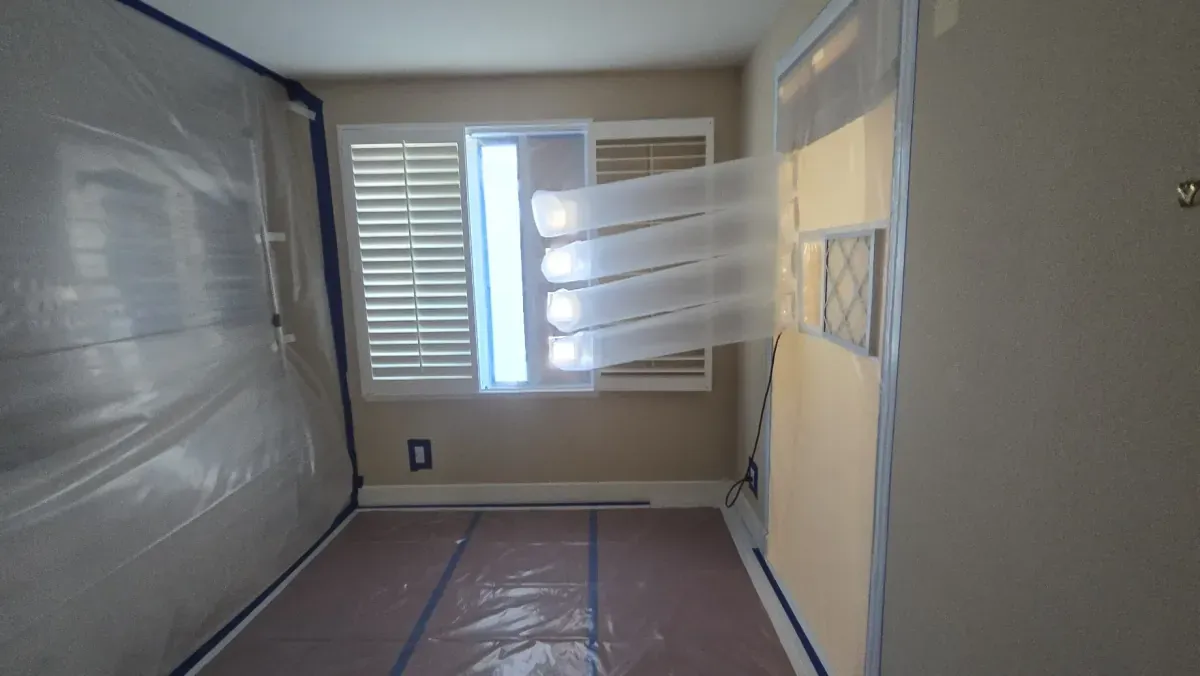
Need Professional Mold Help?

Our certified team is ready to help you with mold inspection, testing, and remediation. Contact us for a free assessment.

Discussion

15 comments on “Recognizing the Early Signs of Mold in Your Home

M
Maria L.Murrieta, CA

We just moved into an older home here in Murrieta and found these tiny dark specks behind our headboard on the exterior wall. They look exactly like the pepper fleck description in this article. There's no musty smell though — should we still be concerned?

T
Thomas B.Temecula, CA

Definitely get it checked. We had the same thing in our guest room and it turned out there was condensation forming on the wall behind the furniture. No smell at first, but it got worse over the winter months. Catching it early saved us a lot of money.

S
Stephanie R.Menifee, CA

The musty smell section really resonated with us. We've had this faint earthy smell in our hallway that comes and goes. It's strongest in the morning or after the house has been closed up. We've checked under sinks and in closets but can't find any visible mold. Could it be inside the walls?

B
Brian C.Winchester, CA

That's exactly what happened with us. The smell was coming from inside the wall cavity behind our bathroom. There had been a slow leak from the shower valve that we never noticed. A professional with a moisture meter found it in about 15 minutes.

R
Rebecca N.Canyon Lake, CA

My 6-year-old has had recurring respiratory issues since we moved into our Canyon Lake house last summer. The pediatrician keeps treating it as allergies but nothing improves. After reading this, I'm wondering if mold could be a factor. We do have an older HVAC system.

A
Amanda F.Sun City, CA

Please get your home tested. My daughter had similar symptoms — constant runny nose, coughing at night. We eventually found mold growing on the insulation around our HVAC ducts in the attic. Once it was properly remediated, her symptoms improved significantly within a few weeks.

D
Daniel J.French Valley, CA

Found brown water staining on our bathroom ceiling that's been there since we bought the place. No active leak that we can find. Does old water damage like that always mean mold is present?

K
Karen P.Wildomar, CA

Thank you for addressing the 'black mold' panic. My neighbor found some dark growth in her shower and was convinced it was toxic black mold. She was ready to move out. It's good to know that color alone doesn't tell you the species and that getting it properly evaluated is the right first step.

J
Jason W.Perris, CA

The paint on our bathroom ceiling has been bubbling for months and I just kept repainting over it. After reading this, I realize that's probably a moisture issue that could mean mold behind the paint. Going to stop ignoring it and get someone out here to look.

M
Michelle A.Nuevo, CA

Great article. We rent our home and have been noticing condensation on the windows every morning this winter. Some of the window frames are starting to show dark spots. Is this something our landlord should address, or is it something we can manage ourselves?

V
Vanessa T.Lake Elsinore, CA

Has anyone dealt with their homeowner's insurance for mold remediation? We found mold behind our laundry room wall after noticing the paint bubbling — which was one of the signs from this article that finally made me stop ignoring it. Turns out a supply line connection behind the washer had been slowly leaking. The remediation company quoted us $4,200 and said we should file a claim since the mold was caused by a plumbing failure. But I've heard insurance companies fight mold claims like their lives depend on it. Anyone have experience with this before I call my agent?

R
Rebecca N.Canyon Lake, CA

Vanessa, I wish I had better news. I commented on this article back in February about my 6-year-old's respiratory issues. We finally got an air quality test done and found elevated mold levels in the HVAC system — exactly what Amanda suggested might be happening. The remediation estimate came back at $5,800. Our insurance denied the claim within a week. Their exact words were "mold resulting from failure to properly maintain the HVAC system." I didn't even know I was supposed to be inspecting inside my air handler for mold — I don't think most homeowners do. How is that "failure to maintain"? Meanwhile my son is still coughing every night and we're looking at paying out of pocket for remediation we can't really afford. It honestly feels like the insurance company decided before they even looked at the paperwork.

R
RCR EnvironmentalMurrieta, CA

Vanessa and Rebecca — this is a question we get almost every week, and we want to be straightforward about how it works because too many homeowners get caught off guard. First, the reality: many standard homeowner's policies either exclude mold entirely or cap mold coverage at shockingly low amounts. Here in Southern California, we commonly see policies that cap mold at just $2,500 — which barely covers the assessment, let alone remediation. Insurance companies treat mold claims as their number one thing to deny, and their go-to reason is always the same — "lack of maintenance." It doesn't matter if you had no way of knowing the mold was there. Their default position is that you should have caught it sooner, and therefore it's your fault. That said, here's where it gets important: when mold results from a "covered peril" — a sudden plumbing failure, a burst pipe, an appliance malfunction — the remediation can often be included as part of the water damage claim rather than filed separately as a mold claim. The distinction matters because water damage from sudden failures is typically covered, and the mold is a direct consequence of that covered event. The key, as with any insurance claim, is what happens before the adjuster arrives. If you call your insurance company first and the adjuster shows up to find mold with no professional documentation of the source, they'll classify it however benefits them — usually "long-term neglect" or "maintenance issue." But if you have a professional assessment on file that documents the plumbing failure as the cause, establishes a timeline, and shows the mold as resulting damage from a covered event, you've changed the entire conversation. Vanessa — your situation is actually strong because you have a clear plumbing failure as the source. Make sure your plumber's report specifically describes the supply line issue as a failure, not just a loose connection. And get a professional mold assessment with lab results documenting the species, extent, and moisture source before you file. Rebecca — "failure to maintain the HVAC system" is one of the most frustrating denials we see because no homeowner's manual says "inspect your air handler for mold every six months." If the mold resulted from a moisture intrusion event — condensation issue, drain pan overflow, anything that constitutes a system failure rather than neglect — that denial can be challenged. A detailed independent assessment documenting the actual cause gives you leverage to push back, and the California Department of Insurance accepts complaints when denials don't align with policy language. This is what we do — we handle the entire process from A to Z. Assessment, documentation, lab work, working with your plumber on report language, and if mold remediation is needed, we handle that too. One call to us before you call your insurance company can change the entire outcome. We'd rather get involved on day one and help you get it covered than hear from you six months later after a denial. Give us a call — the initial assessment is on us and we'll tell you exactly where you stand before you file anything.

V
Vanessa T.Lake Elsinore, CA

RCR, thank you — this completely changed my game plan. I was going to call Farmers first thing Monday, but now I'm going to get your assessment done first and make sure our plumber's invoice says "failed supply line connection" instead of what he originally wrote, which was "loose fitting at washer hookup." Those two descriptions are the same event but I can already see how an adjuster would read them completely differently. Rebecca, I'm so sorry about your son. The fact that insurance can call hidden HVAC mold "failure to maintain" while a 6-year-old is sick is genuinely awful. I hope you find a way to fight that denial.

R
Rebecca N.Canyon Lake, CA

Thank you RCR. I never thought about the condensation angle — our HVAC company actually mentioned that the drain pan had some corrosion and wasn't draining properly when they came out to look at the mold. That's a system failure, not me neglecting maintenance. I'm going to get an independent assessment done and challenge the denial with that documentation. And Vanessa is right about the wording — I went back and looked at our HVAC tech's report and it says "mold buildup in air handler" which sounds like I just let it pile up. If it said "mold growth resulting from drain pan failure and condensation intrusion" that would be a completely different story. Lesson learned the expensive way.

Leave a Comment

More Articles

Keep Reading