

Learn More About Mold
Mold Types, Mold Fragments, Indoor Air Quality, and What To Do Next
Mold is part of the natural environment. Outdoors, it plays an important role in breaking down organic materials. Indoors, mold becomes a problem when it finds what it needs most: moisture and a surface to grow on.
When a building has water intrusion, recurring dampness, high humidity, or materials that stay wet, mold can grow and contribute to musty odors and indoor air quality (IAQ) concerns. Public health agencies consistently emphasize the same principle: control moisture and correct dampness to prevent and stop mold growth.
This page explains:
- What mold is and why it grows indoors
- Common mold types (and why "type" is often less important than conditions)
- Mold spores and mold fragments (what people are actually exposed to)
- Indoor air quality impacts and common health concerns
- How to decide between a mold inspection (owners) and air quality testing (renters who’ve exhausted landlord channels)
Important note: This is general information, not medical or legal advice. If you have persistent symptoms, see a healthcare provider.
What Mold Needs to Grow Indoors
Mold doesn't grow indoors “just because.” It grows when moisture conditions allow it. Typical triggers include:
If you can see water damage, smell a musty odor, or notice materials that stay damp, there is at least some increased health risk and the issue should be corrected. A mold inspection can identify the source and scope.
Mold Spores vs. Mold Fragments
When people think “mold exposure,” they often picture visible growth. In reality, exposure can involve:
Mold Spores
These are microscopic reproductive particles that can become airborne and travel through a building. Spore trap sampling is one of the most common methods used in air quality testing.
Mold Fragments (Fungal Debris)
Damp, moldy materials can also release “tiny pieces” of mold and other particles into the air—not just intact spores.
Why this matters: Even when visible mold is limited, disturbed or damaged materials can contribute airborne particulate load and odor. That's one reason indoor air quality complaints sometimes persist even when the “mold patch” isn't obvious.
Common Mold Types Found Indoors
You'll often hear names like:
Here's the key: Instead of focusing on the mold “type,” most public health guidance focuses on what allows mold to grow—especially moisture. The recommended response is consistent: identify the source of dampness, correct it, and properly clean or remove impacted materials. The CDC also notes that toxigenic molds are addressed the same way as other indoor molds. If you notice signs of mold indoors, it's worth verifying what's going on—because the sooner the moisture and affected materials are handled, the sooner you can address what may be contributing to ongoing health concerns.
“Black Mold” and “Toxic Mold” (What's True, What's Hype)
“Black mold” isn't a scientific category. Many molds can look dark. EPA explicitly notes that “black mold” is not a species label, and “toxic mold” is a media term. However, that does not mean these molds are harmless.
Stachybotrys chartarum is the mold most commonly associated with “black mold.” It produces mycotoxins that can cause a range of health effects, and different people react differently—some may experience respiratory issues, headaches, or fatigue, while others with compromised immune systems, allergies, or asthma may be affected more severely. If S. chartarum or any toxigenic mold is found, it should be taken seriously and removed promptly by qualified professionals.
Why “Type” Alone Doesn't Settle the Issue
While research is still evolving, what we do know is that prolonged exposure to elevated mold levels—regardless of species—can affect people's health in different ways. Individual sensitivity varies widely, and factors like existing respiratory conditions, immune health, and duration of exposure all play a role.
Bottom line: no mold at elevated levels should be ignored. Building conditions and moisture history matter, and so does understanding the types present and their potential health impact. Our mold testing reports focus on conditions and context, not just species identification.
Mold and Indoor Air Quality
Indoor air quality is influenced by:
Moisture Conditions
Dampness drives mold growth and contributes to bacterial and chemical emissions
Particle Load
Spores, fragments, dust, allergens, and other airborne particulates
Ventilation Patterns
Where air moves, accumulates, and whether contaminants are diluted or concentrated
NIOSH and WHO both emphasize that damp buildings are associated with increased respiratory symptoms and disease, and that correcting dampness is a key prevention strategy. Our air quality testing service evaluates these factors in your indoor environment.
Health Concerns: What Agencies Actually Say
Mold exposure affects people differently. Some people have no symptoms; others are more sensitive. CDC and EPA describe common effects as allergic and irritant symptoms, and note that damp buildings are associated with respiratory symptoms, asthma worsening, allergic rhinitis, eczema, and in certain cases more serious conditions like hypersensitivity pneumonitis. Many individuals also report persistent fatigue, difficulty concentrating, headaches, and recurring illness that can be difficult to diagnose without considering the indoor environment.
Commonly Reported Issues
- Nasal congestion, sneezing, watery/itchy eyes
- Coughing, throat irritation
- Worsening asthma symptoms or asthma attacks in sensitive individuals
- Persistent fatigue and low energy
- Brain fog, difficulty concentrating, or memory issues
- Recurring headaches or migraines
- Frequently getting sick or slow recovery from illness
Higher-Risk Groups (Use Extra Caution)
CDC notes higher risk for significant effects among:
- People with allergies
- People with asthma or chronic lung disease
- Those with immune suppression or underlying lung disease
- Infants and young children
- Elderly individuals
If symptoms persist or worsen, consult a healthcare provider.
What Should You Do Next?
The right next step depends on your situation. Whether you own the property or rent it, our free 10-question questionnaire can help point you in the right direction.
Not Sure Where to Start? Take Our Free Questionnaire
Answer 10 quick questions about your situation and get instant, personalized recommendations on the best next step—whether that’s a mold inspection, air quality testing, or something else entirely.
For Homeowners: Schedule a Mold Inspection
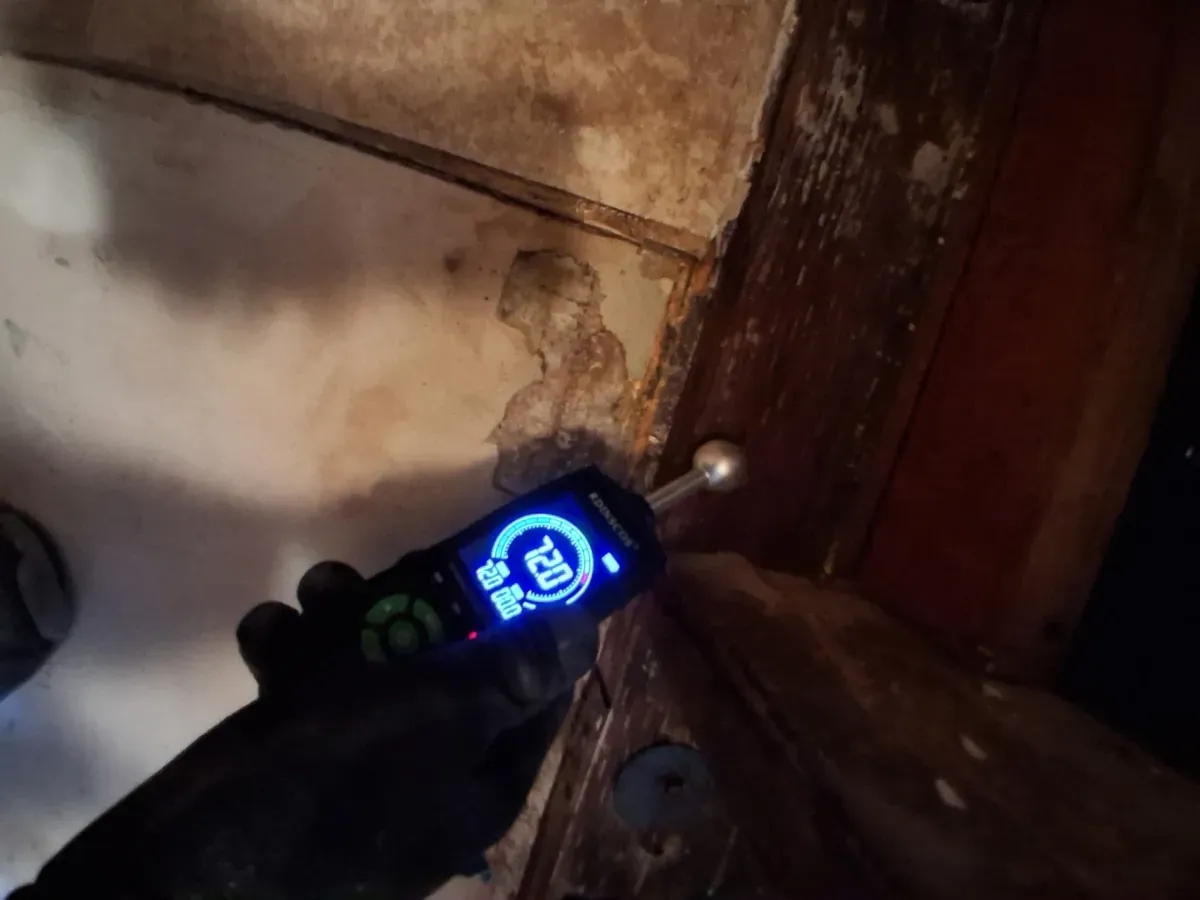
If you own the property, the most valuable first step is usually a mold inspection because it answers the practical questions:
CDPH notes experienced inspectors are trained to identify the source of mold or moisture problems, generally without needing to rely only on measuring mold levels.
Own the Home?
Mold Inspection
Start with a mold inspection to find the moisture source and define a practical correction plan. An experienced inspector can identify the source, assess affected materials, and outline steps to prevent recurrence.
For Renters: Try Property Management First, Then Consider Air Quality Testing
If you rent, we always recommend trying to resolve the issue with the landlord or property manager first:
If those attempts have been exhausted and you're still stuck—especially when the response is “we don't see anything”—indoor air quality testing is often the most practical way to create objective documentation.
Why Air Testing Helps Renters
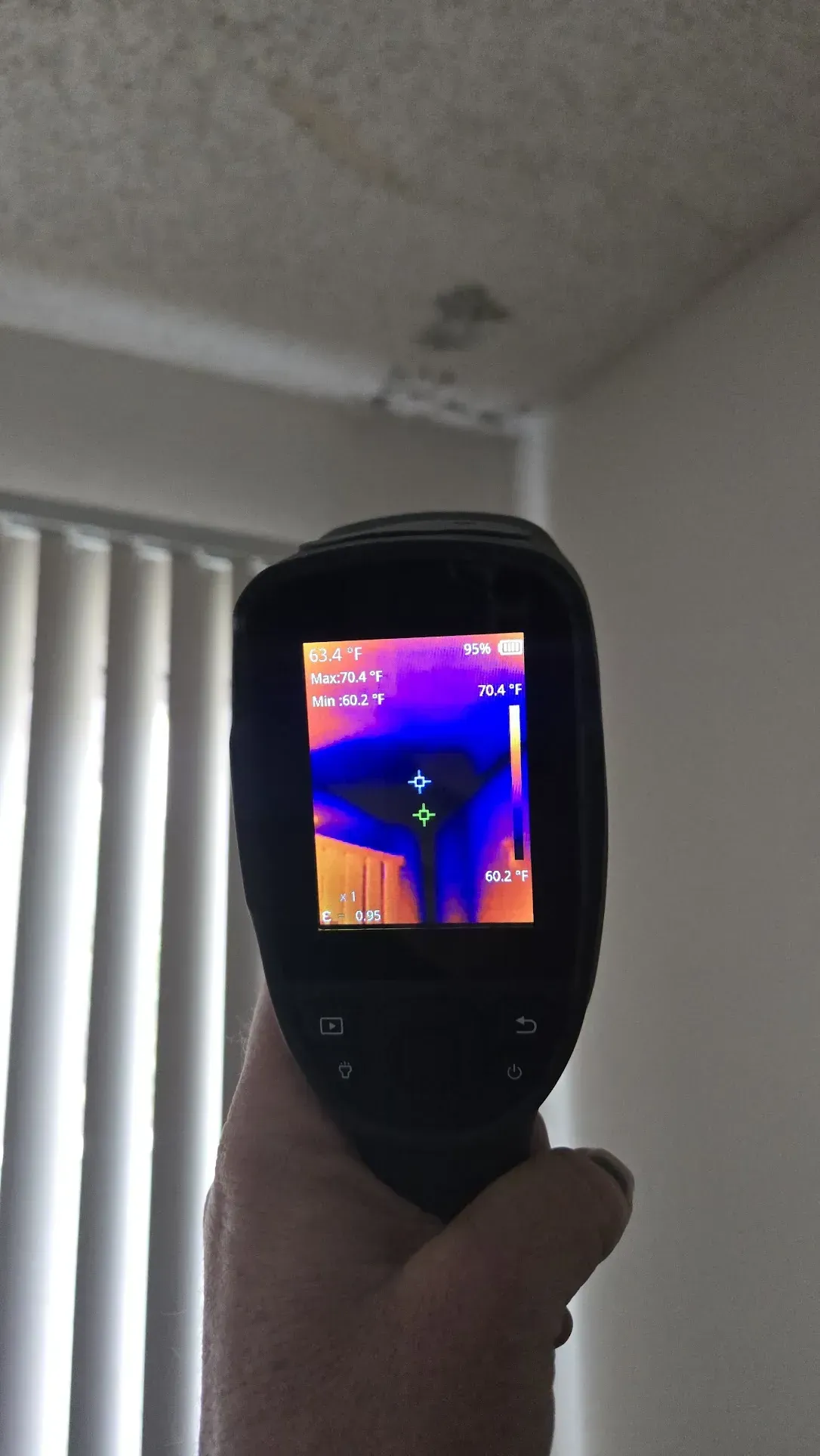
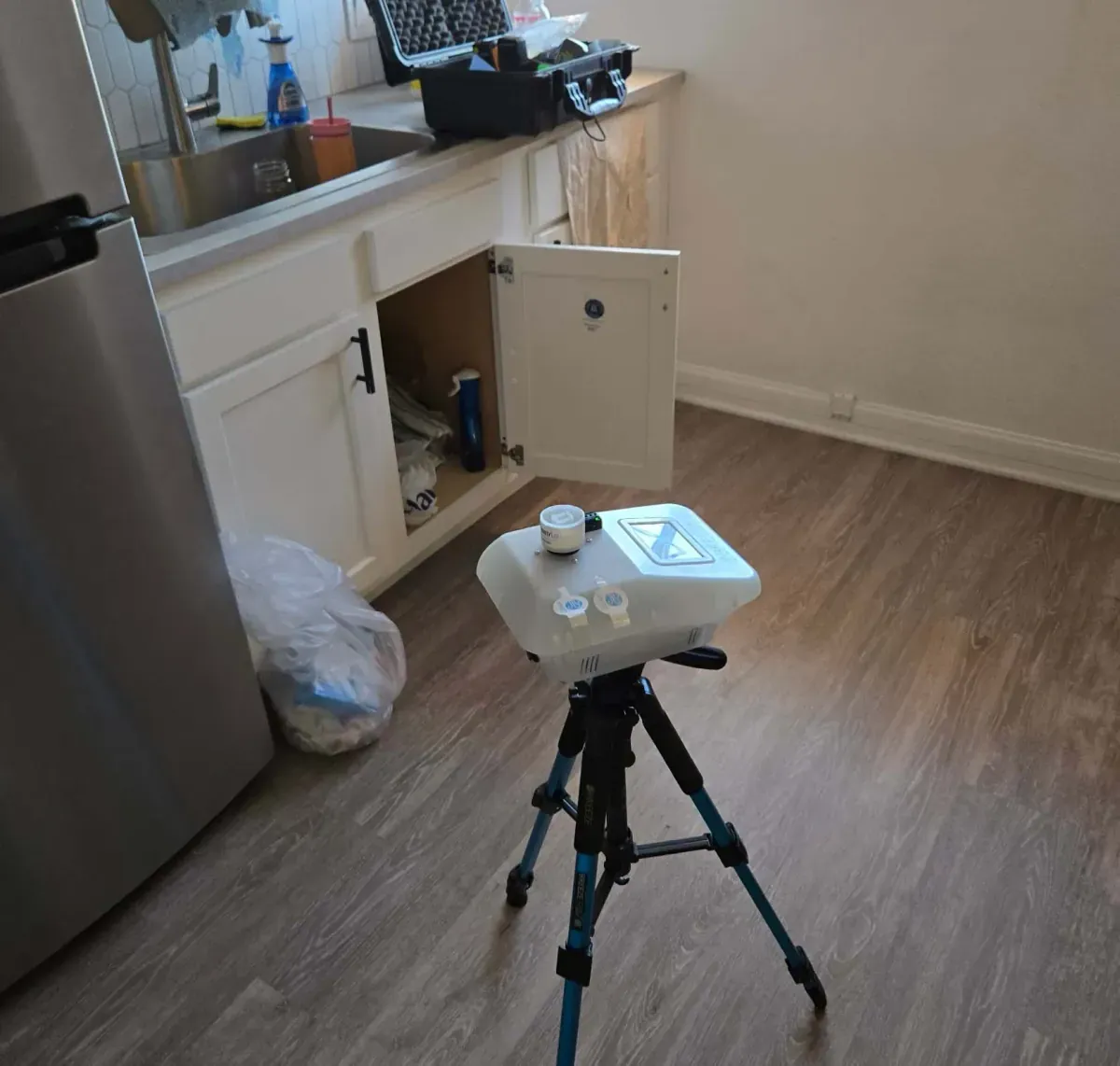
A professional indoor air quality evaluation typically includes:
That written documentation is what often helps renters move discussions forward when informal requests haven't worked. For more detail, see our Mold Testing for Renters in California guide.
Renting and Already Contacted Property Management?
An indoor air quality test can provide objective, lab-based documentation of indoor conditions—giving you the evidence you need to move the conversation forward.
After Stopping the Water—Test the Air
Correcting the moisture source is always the critical first step. But once the leak is fixed and materials are dried, airborne mold spores may still be circulating—and those spores can pose ongoing health risks even after the visible problem is gone.
That's why air quality testing is the essential next step. Testing confirms whether elevated spore levels remain in your indoor environment, giving you clear data on contamination and whether further action is needed to protect your health.
Not sure where to start? Our free assessment walks you through your situation and recommends the right next step—whether that's air quality testing, a mold inspection, or professional remediation.
Homeowners
If you want the fastest path to resolution, start with a mold inspection to identify the source and define corrective steps.
Renters
If you've already attempted to resolve the issue through property management and need objective documentation, start with a free assessment.
Mold Testing Myths
"If air testing is normal, there's no problem."
Not always. Conditions can be localized, intermittent, or hidden, and interpretation requires context and a baseline comparison when appropriate. A single normal result doesn’t rule out problems in specific areas of a building.
"If we find a scary mold type, it proves danger."
Type alone doesn’t define hazard. CDPH notes uncertainty about whether specific types are responsible for many damp-building health problems. Public health guidance treats all mold in buildings the same from a practical response standpoint: correct the moisture, remove contaminated materials.
"We can solve mold with bleach or fragrance."
Agencies focus on correcting moisture and removing mold-contaminated materials appropriately—not masking the problem. Surface cleaning without addressing the moisture source allows mold to return.
Important
Related Services
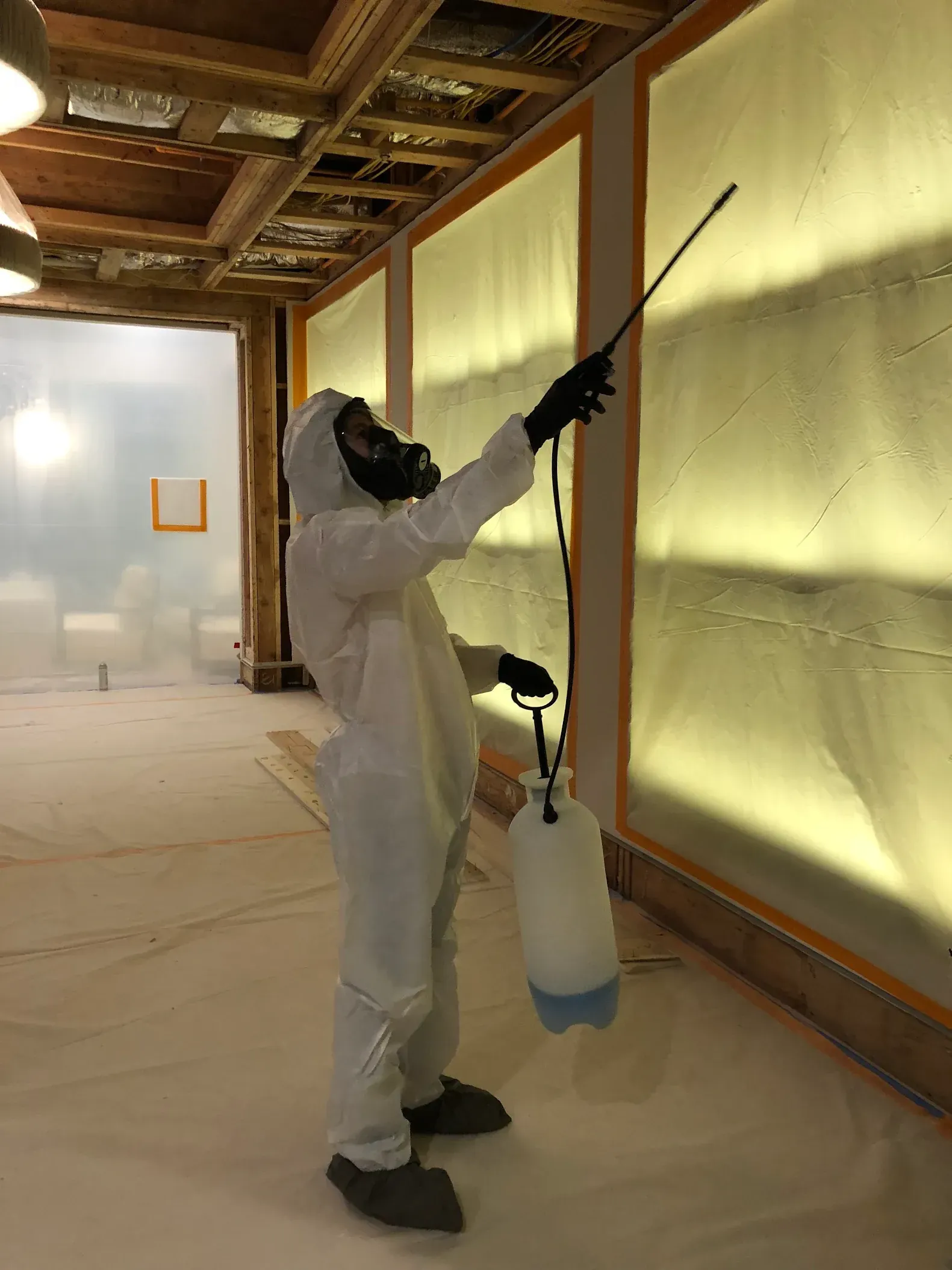
From inspection and testing to complete remediation, we offer everything you need to identify and address mold in your home.
Mold Inspection
Visual and diagnostic assessment of your property to identify moisture sources, affected materials, and the scope of the issue.
Mold Testing
Lab-certified air, surface, and wall cavity sampling to identify and document mold conditions with objective results.
Air Quality Testing
Spore trap and air cassette sampling with outdoor baseline comparison for comprehensive indoor air quality evaluation.