
View Certified Lab Results

Client Log In
Riverside County
San Diego County
RCR Environmental
RCR Environmental

Promoting Healthier Living through Expert Mold Testing and Professional Mold Removal

Mold Health

Understanding the Health Risks of Mold Exposure and When to Seek Remediation

RCR Environmental Team · January 26, 2025

Mold is more than an eyesore—it poses serious health risks, especially in climates with varying humidity levels like Southern California. This post breaks down mold exposure symptoms, long-term effects, and why timely mold remediation is crucial for your well-being.
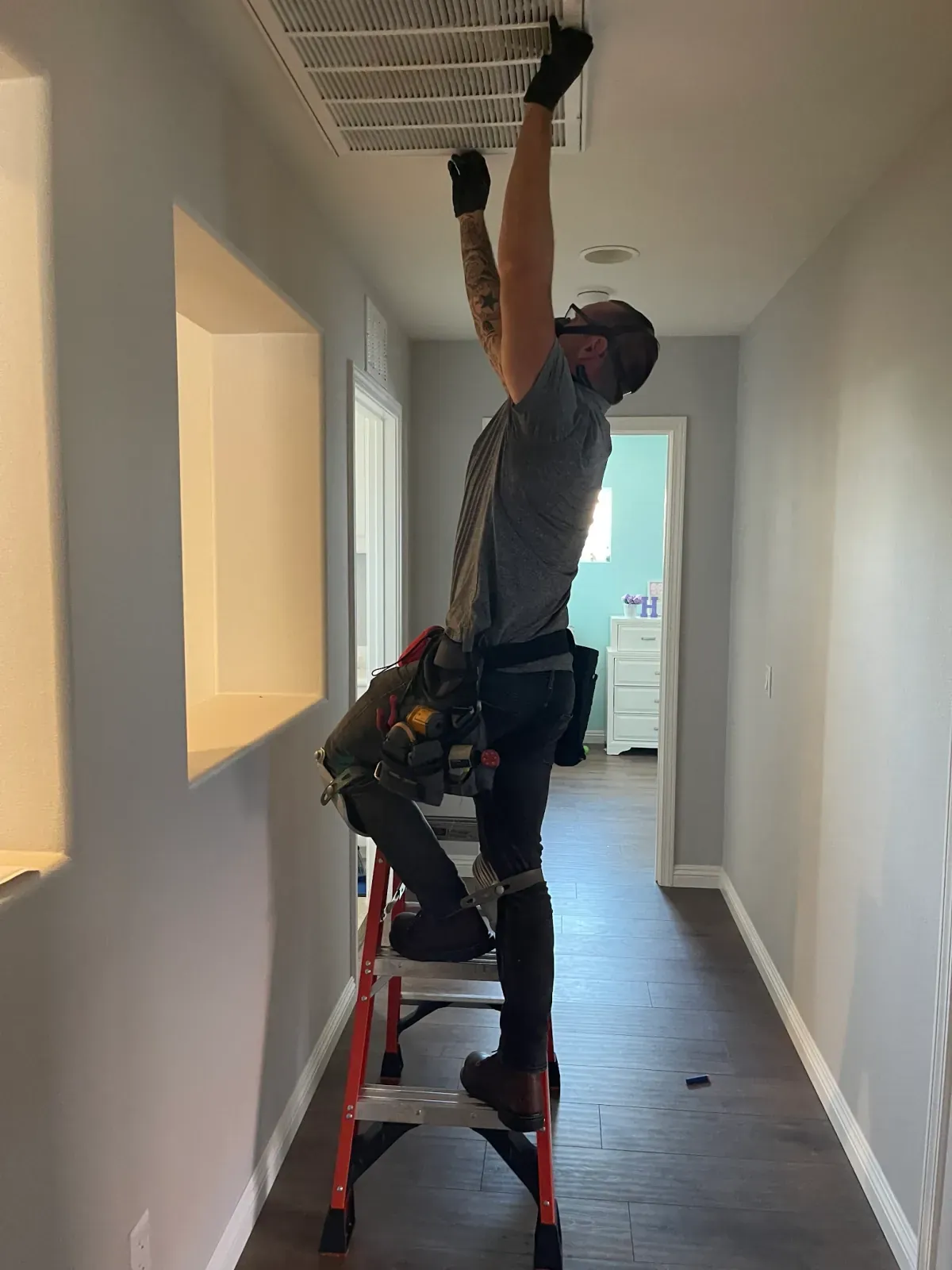
Certified mold inspector examining a wall during a professional mold inspection in a Riverside County home

Common Mold Exposure Symptoms You Shouldn't Ignore

Initial effects of mold on health include allergic reactions. Mold exposure symptoms often mimic colds:

  • Sneezing, coughing, and nasal congestion
  • Eye irritation or skin rashes
  • Worsened asthma or breathing difficulties
  • Throat irritation and persistent headaches

Black mold health risks are amplified, potentially causing more severe respiratory issues. If you notice these symptoms in your home—especially if they improve when you leave—investigate promptly.

Long-Term Health Risks of Mold Exposure

Prolonged exposure can lead to chronic problems. Long-term health risks of mold exposure include:

  • Respiratory infections or hypersensitivity pneumonitis
  • Neurological issues like headaches, memory fog, or difficulty concentrating
  • Immune system weakening, especially in vulnerable groups
  • Chronic sinusitis and recurring respiratory problems

Symptoms of Mold Exposure in Children

Children are particularly vulnerable to mold. Watch for:

  • Frequent respiratory infections or illnesses
  • Worsening asthma symptoms
  • Persistent coughing or wheezing
  • Skin rashes or allergic reactions

These symptoms highlight the need for vigilance in family homes, especially in older homes where moisture issues are common.

How Mold Affects Respiratory Health

Mold primarily impacts the respiratory system by irritating airways and triggering inflammation. When you breathe in mold spores, your body's immune response can cause:

  • Airway constriction and difficulty breathing
  • Increased mucus production
  • Chronic coughing and wheezing
  • Aggravation of existing conditions like asthma or COPD

Health risks are higher in older buildings with poor ventilation, water-damaged properties, and homes with recurring moisture problems. Toxic molds can produce mycotoxins, which escalate these risks significantly.

Who Is Most at Risk?

Certain groups face greater health risks from mold exposure:

  • Infants and young children with developing immune systems
  • Elderly individuals with weakened immunity
  • People with asthma or allergies
  • Those with compromised immune systems
  • People with chronic respiratory conditions

When to See a Doctor and Call for Remediation

See a doctor if:

  • Symptoms persist for more than a few days
  • You experience difficulty breathing or chest tightness
  • Symptoms improve when away from home but return when you're back
  • You have a pre-existing respiratory condition that's worsening

Call for professional remediation when:

  • Visible mold covers more than 10 square feet
  • Mold returns after cleaning
  • You smell persistent musty odors
  • There's been water damage or flooding
  • Family members are experiencing health symptoms

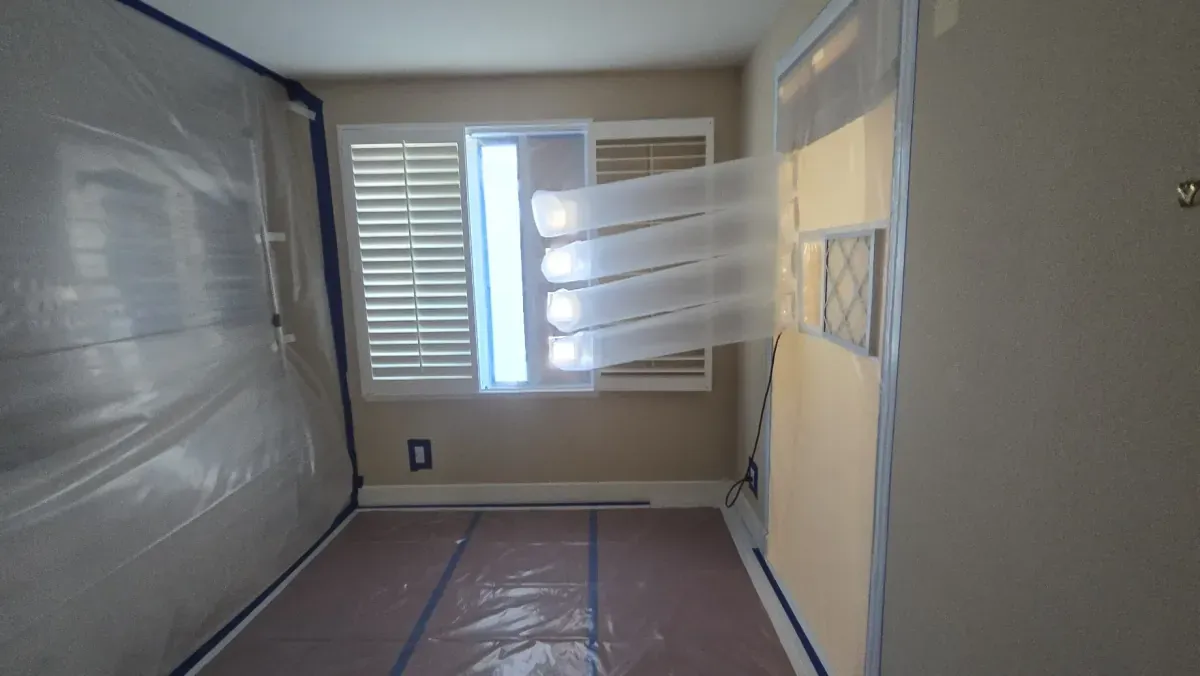
Our team handles safe mold removal, addressing the source of moisture to prevent recurrence. We use professional containment methods to prevent spore spread during remediation.

Protecting Your Family

Awareness of the health risks of mold exposure empowers you to act quickly. Prioritize clean indoor air and don't hesitate to seek professional help. The cost of remediation is far less than the long-term health consequences of prolonged mold exposure.

If you suspect mold in your home, contact us for a professional inspection and protect your family's health today.
Need Professional Mold Help?

Our certified team is ready to help you with mold inspection, testing, and remediation. Contact us for a free assessment.

Discussion

35 comments on “Understanding the Health Risks of Mold Exposure and When to Seek Remediation

R
Rachel S.Temecula, CA

Our 4-year-old's asthma has gotten noticeably worse since we moved into our older home last spring. We've had him to the allergist multiple times and tried different medications, but nothing seems to help long term. The house was built in the 80s and I'm starting to think the environment might be a factor. Is a mold inspection a reasonable next step?

J
Julie H.Murrieta, CA

Absolutely worth investigating. Our son had similar worsening asthma after we moved. An air quality test found elevated mold spore levels, and a targeted inspection found growth in the HVAC closet. After remediation, his rescue inhaler use dropped dramatically. We wish we'd checked sooner.

S
Steven W.Menifee, CA

This might sound odd, but my wife and I noticed we feel much better whenever we travel. Headaches, fatigue, and sinus congestion all improve within a day or two of being away. Then it all comes back within a day of returning home. We've been blaming stress but now wondering if it could be our indoor air quality.

K
Kimberly J.Wildomar, CA

My sister is pregnant and staying with us while her place is being renovated. We noticed a small area of mold in the guest bathroom last week — maybe a few inches. Is even a small amount something to worry about with a pregnant person in the household?

A
Anna G.French Valley, CA

I'd err on the side of caution, especially during pregnancy. When I was pregnant, my OB specifically asked about mold and water damage in our home. It's worth getting it properly assessed and removed rather than wondering.

F
Frank D.Canyon Lake, CA

Wanted to share a positive outcome. I dealt with chronic sinus infections for over three years — like 5 or 6 rounds of antibiotics a year. An ENT finally suggested checking our home environment. Turns out there was mold behind the drywall in our bedroom from an old roof leak. After proper remediation, I've had one sinus infection in the past 18 months. Night and day difference.

D
Donna B.De Luz, CA

How do you tell the difference between seasonal allergies and mold exposure symptoms? I've had congestion and itchy eyes for months and my doctor says it's allergies, but antihistamines barely help. We live in a rural area and our home is older with some known moisture issues.

C
Chris N.Temecula, CA

One clue is whether your symptoms follow seasonal patterns or are constant. Seasonal allergies usually have a pattern — spring, fall, etc. If you're congested year-round and it's worse indoors, especially in certain rooms, that points more toward an indoor environmental issue. An air quality test could help clarify things.

V
Victor M.Perris, CA

Are those home mold testing kits you buy at hardware stores reliable? Or is professional testing really worth the extra cost? We've been debating which route to go for our Perris home.

H
Helen T.Meadowview, CA

Thank you for listing who is most at risk. My elderly mother lives alone in a home with an older HVAC system and we've noticed she gets sick more often than she used to. Going to schedule an inspection for her house. Better to know than to keep guessing.

B
Brenda T.Homeland, CA

This might be a silly question, but how do you actually tell the difference between seasonal allergies and mold exposure? I've been dealing with congestion, headaches, and watery eyes for going on five months now. My doctor prescribed Zyrtec and a nasal spray and neither one has made much difference. We live in a 1990s tract home in Homeland and I've noticed some dark staining near the AC vents. Starting to wonder if my 'allergies' aren't actually allergies.

S
Steven W.Menifee, CA

Brenda — I posted on here back in February about my wife and I feeling better whenever we traveled. Same thing: doctor said allergies, gave us antihistamines, nothing changed. The big clue for us was that our symptoms were constant — not seasonal, not worse outside, but always there and always worse in certain rooms. We finally got an air quality test and found elevated Aspergillus levels. Once we knew what we were dealing with, everything clicked. If your symptoms don't follow a seasonal pattern and antihistamines aren't helping, I'd strongly suggest getting your indoor air tested.

R
RCR EnvironmentalMurrieta, CA

Brenda, not a silly question at all — it's actually one of the most common things we hear from homeowners in our area. The EPA's A Brief Guide to Mold, Moisture, and Your Home specifically notes that mold exposure symptoms — congestion, headaches, eye irritation, fatigue — closely mirror allergic rhinitis. The CDC's indoor environmental quality guidance adds that persistent symptoms that don't respond to standard allergy treatment should prompt an indoor air quality investigation. Here's what we look for when homeowners describe your situation: symptoms that are constant rather than seasonal, symptoms that are worse in specific rooms or after extended time indoors, and poor response to antihistamines. The dark staining near your AC vents is also worth investigating — that's a location where we commonly find mold growth in Inland Empire homes, particularly where condensation forms on supply registers. A spore trap air sample can give you a definitive answer in a few days. It measures exactly what's in the air versus outdoor baseline levels. If your indoor counts are elevated, you'll know it's not just allergies. This is something we handle from A to Z — the testing, the identification, the remediation plan, and the clearance verification afterward. Give us a call and we can walk you through what to expect.

C
Craig L.Hemet, CA

Found some greenish-gray mold growing on the wall behind our water heater. It's maybe 2 square feet. My neighbor looked at it and said don't worry about it because 'it's not black mold.' He says only Stachybotrys — the black kind — is actually dangerous and everything else is basically harmless. That doesn't sound right to me but I honestly don't know enough to argue with him. Is there any truth to the black mold thing being worse than other types?

K
Karen P.Wildomar, CA

Craig, I had a neighbor tell me the exact same thing and it sent me down a research rabbit hole. The short answer is your gut is right — the 'only black mold is dangerous' thing is a myth. I commented on the early signs blog here a while back about this. The color of mold doesn't tell you anything about the species. Stachybotrys can appear dark green or gray, and plenty of other molds that aren't black can produce mycotoxins or cause serious allergic reactions. Aspergillus and Penicillium are extremely common indoors and can cause respiratory problems just as easily. Don't let the color lull you into ignoring it.

R
RCR EnvironmentalMurrieta, CA

Craig, Karen is exactly right — and this myth causes a lot of homeowners to delay addressing mold they should be taking seriously. OSHA's Safety and Health Information Bulletin (SHIB 03-10-10) is very clear on this point: all molds should be treated the same with respect to potential health risks and removal. The bulletin specifically states that the practice of classifying molds as 'toxic' or 'non-toxic' based on appearance is not scientifically supported. Here's why color is unreliable: mold color depends on the food source, moisture level, and age of the colony — not the species. We've tested green, white, gray, and brown colonies in Riverside County homes that came back as everything from Aspergillus niger to Cladosporium to Chaetomium. The only way to know what you're dealing with is laboratory analysis. The 2 square feet behind your water heater is concerning regardless of color. That location suggests a slow leak, condensation on the tank, or a TPR valve drip — all of which mean the moisture source is ongoing. We can identify the species, find the moisture source, and put together a remediation plan that addresses both. That's the kind of thing we handle from A to Z. Give us a call and we'll get it figured out.

M
Melissa R.Sun City, CA

My husband wants to tackle the mold we found in our master bathroom with bleach and a scrub brush this weekend. It's on the ceiling above the shower — maybe a foot and a half wide area. I've read conflicting things online. Some sites say bleach kills mold, other sites say it doesn't. My concern is our 2-year-old daughter — I don't want to make things worse by spreading it around. Can someone give me a straight answer on whether bleach actually works on mold?

P
Patricia H.Fallbrook, CA

Melissa, let me tell you what happened when my husband did exactly this. He found mold on our garage wall, grabbed a gallon of bleach and a wire brush, and went to town. Within an hour the bleach smell had spread through the entire house, and within a week we had visible mold in spots we'd never seen before. Turns out he scattered spores everywhere by scrubbing without any containment. The 'fix' ended up costing us three times what the original problem would have. Please learn from my husband's enthusiasm. Especially with a 2-year-old — you do not want spores getting airborne in your house.

R
RCR EnvironmentalMurrieta, CA

Melissa, the EPA addressed this directly in their Brief Guide to Mold, Moisture, and Your Home: bleach is not recommended as a routine mold cleanup method, particularly on porous surfaces like drywall and ceiling texture. Here's why — bleach is mostly water. It kills surface mold on non-porous materials like tile or glass, but on porous surfaces like drywall, the water component actually penetrates deeper than the chlorine and can feed the mold roots (hyphae) that have grown into the material. Patricia's experience is something we see regularly. Scrubbing mold without containment disperses spores into the air, and in an enclosed bathroom with your HVAC running, those spores can circulate throughout the house. With a 2-year-old at home, that's a real concern. The EPA's guidance says mold on areas smaller than about 10 square feet may be handled by homeowners — but with proper PPE (N95 respirator, gloves, eye protection), containment of the area, and HEPA vacuuming afterward. Importantly, you must also address the moisture source, or it'll come right back. A foot and a half of ceiling mold above a shower typically means inadequate ventilation, a failing exhaust fan, or moisture intrusion from above. This is something we can assess quickly and handle from A to Z — find the moisture source, contain and remove the mold properly, and verify it's clear. Give us a call before the weekend project, especially with your daughter in the home. We'd rather walk you through the right approach than have you deal with a bigger problem Monday morning.

T
Tony G.Nuevo, CA

We had a supply line burst under our kitchen sink three days ago. Got most of the water up with a shop vac and fans the same day, but the kickboard and lower cabinet walls still feel damp. My wife is worried about mold already starting. Is three days enough for mold to grow? The house has been at normal temperature — around 72 degrees. We can't see anything yet but she swears she smells something musty.

J
Jennifer M.Temecula, CA

Tony, I dealt with a Cat 2 dishwasher leak and learned the hard way how fast mold moves. The fact that those cabinet walls still feel damp after three days means you still have moisture in places fans aren't reaching. Particleboard and MDF soak up water like a sponge and they don't dry out easily from surface airflow alone. If your wife smells something musty, trust her nose — that's usually the first sign. I wrote about my experience on the water damage containment post here. The 24-48 hour window is real. Don't wait for visible growth.

R
RCR EnvironmentalMurrieta, CA

Tony, your wife's concern is well-founded. IICRC S500 Section 5.2, which is the restoration industry's standard of care for water damage, states that mold can begin colonizing on organic materials within 24 to 48 hours when moisture, temperature, and a food source are present. At 72 degrees with damp particleboard — you have all three conditions. Here's what most homeowners don't realize: by the time you see visible mold, colonization has been underway for days. The musty smell your wife is detecting is likely microbial volatile organic compounds (MVOCs) — gases produced by active mold metabolism. That's actually a more reliable early indicator than visible growth. The bigger concern with a supply line burst is what happened to the subfloor and any materials inside the wall cavity. Shop vacs and fans address surface water, but moisture wicks into subflooring, drywall, and insulation where fans can't reach it. A moisture meter can tell you exactly what's still wet and at what levels. Time is critical here — the difference between a manageable dry-out and a full remediation project often comes down to how quickly professional drying starts. We handle this from A to Z: moisture mapping to find every wet surface, professional drying equipment placed strategically, and monitoring until everything is at acceptable levels. Give us a call today — at three days in, the window to get ahead of this is still open but narrowing.

D
Denise W.Perris, CA

We filed an insurance claim for mold in our kitchen after a dishwasher leak. The adjuster came out and told us containment barriers and negative air pressure 'aren't necessary for this size job' and he's only approving basic cleaning and painting. The affected area is maybe 15 square feet of drywall behind the lower cabinets. Is he right? Our remediation company says containment is standard protocol. I don't know who to believe.

R
Robert A.Winchester, CA

Denise, when we had our remediation done, the crew set up full containment with zip doors and an air scrubber. I could actually feel the air pulling inward when I opened the zip door — that's the negative air pressure working. It keeps spores from migrating into the rest of the house during removal. The idea that 15 square feet of mold can be safely removed without containment is not how any legitimate remediation company operates. Your adjuster is not a remediation professional — he's a cost-reduction professional.

K
Kelly M.Winchester, CA

Oh Denise, I could write a book about insurance adjusters at this point. I've been fighting a claim on our wax ring damage for months now. The adjuster spent maybe 15 minutes at our house and made his decision before he even went upstairs. Their job is literally to minimize what the company pays — it's called 'Delay, Deny, Defend' and it's the insurance industry's actual playbook. Do NOT let an adjuster dictate your remediation protocol. Get everything in writing from your remediation company about why containment is necessary, citing the industry standards, and push back. Hard.

R
RCR EnvironmentalMurrieta, CA

Denise, this is unfortunately a situation we see regularly, and Robert and Kelly are both giving you accurate advice. Let's talk about what the standards actually say. The EPA's mold remediation guidelines recommend containment for any remediation involving more than 10 square feet of mold-affected material. The IICRC S520, which is the industry standard for mold remediation, requires containment with negative air pressure for Level 2 and above remediation — which includes your 15-square-foot area. IICRC S500 Section 12.3 specifically states that containment barriers and negative air machines are part of the standard of care, not an optional add-on. Your insurance adjuster is not a certified mold remediator. Adjusters are trained in cost estimation, not remediation protocols. When an adjuster tells you containment 'isn't necessary,' they're making a remediation decision they're not qualified to make. The risk of skipping containment is that spores disperse during demolition into clean areas of your home — potentially turning a $3,000 kitchen remediation into a $10,000 whole-home problem. Here's what we recommend: get a written remediation protocol from your remediation company that cites the IICRC S520 standard and the EPA guidelines. Submit that to your insurance company as a supplemental document. If they still deny, you have grounds to escalate — including filing with the California Department of Insurance. This is exactly the kind of situation we handle from A to Z. We write protocols that cite the applicable standards, we document everything before, during, and after remediation, and we provide clearance testing to prove the work was done correctly. Give us a call — we can walk you through the process and help you push back with the right documentation.

G
Gary M.Lake Elsinore, CA

I'm getting confused by the terminology different companies are using. Got three quotes for mold in our bathroom. One company says 'mold removal' — $800. Another says 'mold remediation' — $2,400. Third says 'mold abatement and remediation' — $3,100. Are these all the same thing with different names, or are they actually different services? The price spread is making me nervous that someone is either overcharging or someone else is cutting corners.

L
Lisa G.Wildomar, CA

Gary, I learned this distinction the hard way. We had mold near our HVAC return vent and the first company we called basically sprayed something on it and wiped it down — that was their 'removal.' The mold came back in six weeks, and this time it had spread into the ductwork. The second company did actual remediation: containment, removal of the affected drywall, HEPA vacuuming, treating the framing, drying everything out, and then clearance testing to verify it was gone. Two very different approaches. The $800 quote probably isn't including half of what needs to happen.

R
RCR EnvironmentalMurrieta, CA

Gary, great question — and the confusion is understandable because the industry hasn't always been consistent with terminology. Here's how the IICRC S520 standard, which governs professional mold remediation, defines it: Mold remediation is the comprehensive process that includes: assessment and documentation, containment of the affected area, removal of mold-contaminated materials, cleaning and treating remaining structural components, drying to appropriate moisture levels, and post-remediation verification (clearance testing). It also requires identifying and correcting the moisture source that caused the mold in the first place. Mold removal typically refers to just one step — physically removing the visible mold. It doesn't necessarily include containment, source correction, or verification. The price difference you're seeing almost certainly reflects what's included. An $800 'removal' likely means someone spraying an antimicrobial and wiping surfaces — which, as Lisa experienced, doesn't address what's growing inside porous materials or the moisture source feeding it. The higher quotes should be itemizing containment, demolition, HEPA filtration, treatment, and clearance testing. When comparing quotes, ask each company: Does your price include containment? Source identification? Clearance testing? If any of those answers are no, you're not comparing the same service. We provide detailed, itemized proposals that spell out every step of the process. We handle the entire remediation from A to Z — from the initial assessment through clearance testing — so there are no surprises. Give us a call and we'll walk through what your specific situation actually requires.

R
Rachel S.Temecula, CA

Update on our situation — we took the advice from this thread and had an air quality test done. They found elevated Aspergillus and Penicillium in our son's bedroom and the hallway. The remediation company found growth on the backside of drywall in the HVAC closet, just like Julie mentioned could be the issue. We're scheduling remediation but I'm worried about my son — he's 4 with asthma. Is it safe for us to stay in the house while the work is being done? We don't really have anywhere else to go for multiple days.

J
Julie H.Murrieta, CA

Rachel, I'm so glad you got the testing done — that sounds very similar to what we went through. When our remediation was happening, we stayed in the house but sent our son to my parents' for the two days they were doing active demolition and removal. The containment kept everything sealed off from the rest of the house, but we didn't want to take any chances with his lungs. Once they finished and did the clearance test, we brought him home. If you have anyone who could take him even for a couple days, I'd recommend it. The rest of the family was fine staying.

R
RCR EnvironmentalMurrieta, CA

Rachel, thank you for the update — we're glad you followed through with testing. Finding the source in the HVAC closet is very common in 1980s-era homes in our area, and identifying it is the hardest part. IICRC S500 Section 12.3.2 addresses occupant safety during remediation. The guidance is that the decision depends on the scope of work, the effectiveness of containment, and the health status of the occupants. For at-risk individuals — and a 4-year-old with asthma is absolutely in that category — the recommendation is temporary relocation during active remediation work, meaning the demolition and removal phase. Here's what that looks like practically: proper containment with polyethylene barriers, negative air pressure, and HEPA filtration creates an isolated work zone. The rest of the home remains safe for healthy adults during the process. However, for your son specifically, even small fluctuations during barrier setup or material movement could aggravate his asthma. Julie's approach — having him stay somewhere else for the active work days — is exactly what we'd recommend. Most HVAC closet remediations in this area take 1-2 days for the active work, with a clearance test on the following day. So you're typically looking at 2-3 days where having your son elsewhere would be ideal. We understand the logistics can be stressful, especially when it feels like there's no easy option. This is something we coordinate from A to Z — we work with families to schedule around your needs, keep the containment zone tight, and get clearance testing done as quickly as possible so life can get back to normal. Give us a call and we can walk through the timeline specific to your situation.

C
Cheryl K.Fallbrook, CA

We paid $4,500 for mold remediation in our master bedroom two years ago. Last month I noticed that same musty smell coming back and sure enough — mold is growing again in almost the same spot on the exterior wall. I'm frustrated and honestly not sure I want to pay for another round of remediation if it's just going to come back again. Is there any way to actually prevent this or are some homes just 'mold homes'?

F
Frank D.Canyon Lake, CA

Cheryl, I completely understand the frustration. I dealt with mold behind our bedroom drywall from an old roof leak — posted about it here a couple months ago. The key difference in my case was that the remediation company fixed the roof leak first, then did the remediation. Eighteen months later, no recurrence. If your mold came back in the same spot, it almost certainly means the original moisture source was never identified or corrected. The mold is a symptom — moisture is the disease. I'd be asking hard questions about what the first company did or didn't do to address why that wall was wet.

R
RCR EnvironmentalMurrieta, CA

Cheryl, this is one of the most important topics in mold remediation, and Frank hit the core issue: if mold comes back in the same location, the moisture source was never properly addressed. No home is inherently a 'mold home' — but any home with an unresolved moisture problem will grow mold repeatedly. IICRC S500 Section 12.3.10 addresses prevention of microbial recurrence and is very direct: remediation without source correction is incomplete remediation. The standard requires that the moisture source be identified and corrected as part of the remediation scope of work — it's not a separate step or an afterthought. For an exterior wall in the Inland Empire, recurring mold typically points to one of a few moisture sources: failed weather-resistant barrier behind the stucco, which is very common in homes built before updated building codes; condensation from inadequate insulation on a sun-heated wall; a plumbing leak inside the wall cavity; or landscape irrigation hitting the exterior. Each one requires a different correction. Here's what should have been part of your original remediation: moisture mapping to identify the source, correction of that source, removal of contaminated materials, treatment and drying, and then post-remediation clearance testing. If the company skipped the source identification step, the mold was always going to return. We approach every job from A to Z — and that starts with understanding why the mold is there, not just removing what you can see. We also recommend annual moisture checks for previously affected areas, which takes about 15 minutes and can catch a recurrence before it becomes another remediation project. Give us a call — we'll figure out what's driving the moisture on that wall and make sure this is the last time you deal with it.

Leave a Comment

More Articles

Keep Reading