

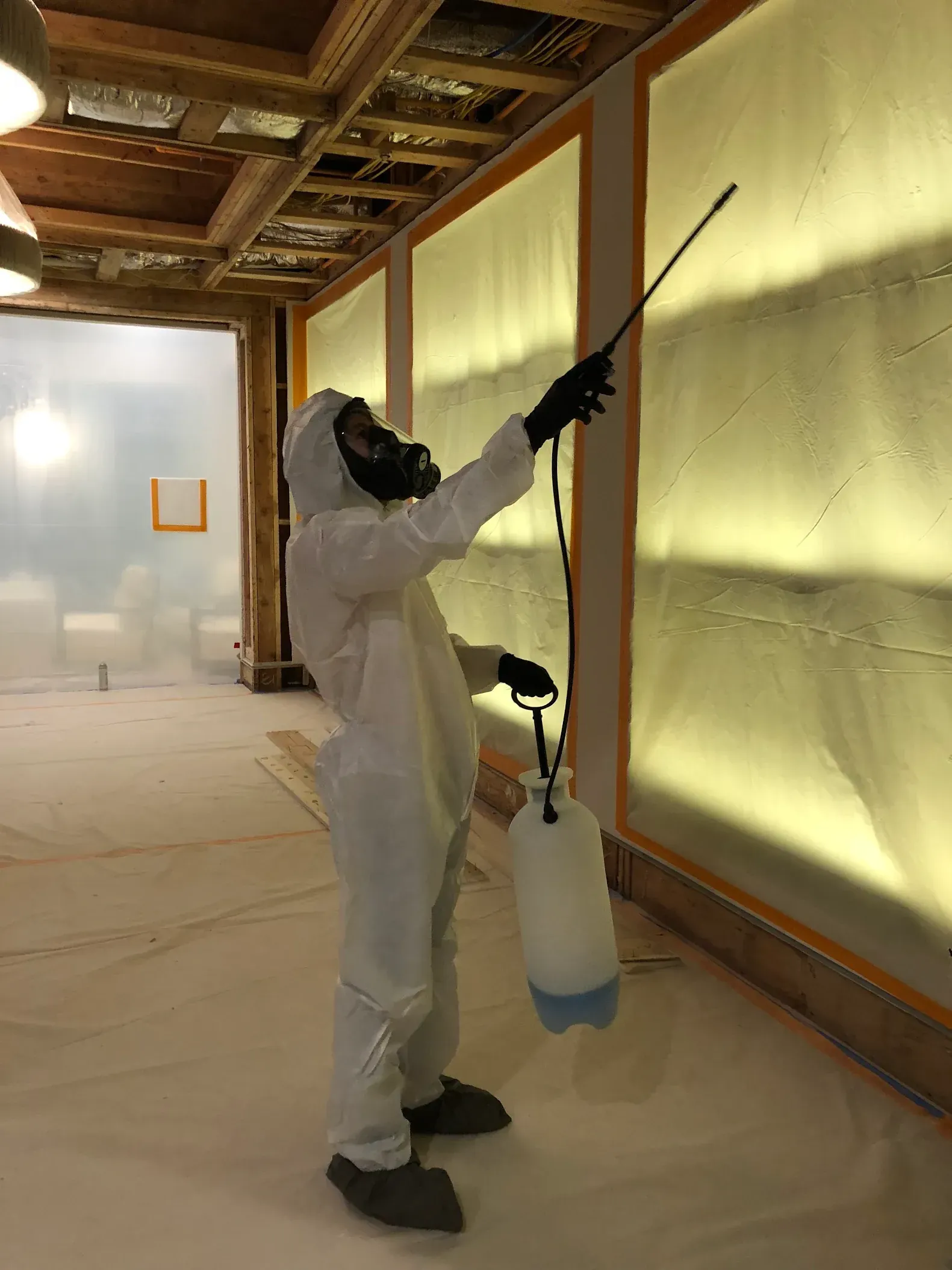
Mold
Testing
Lab-Certified Air, Surface & Cavity Sampling
When a home smells musty, symptoms increase indoors, or a past leak raises questions, the goal isn’t just “test for mold.” The goal is to answer practical questions about your home—using lab-certified sampling targeted to your specific concern.
Mold Testing
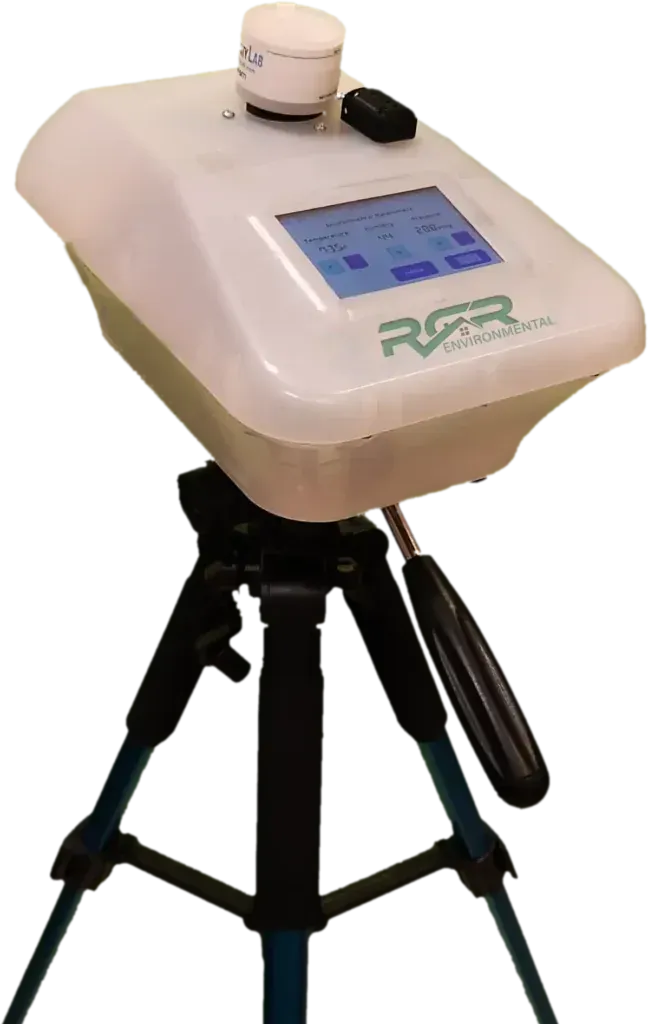
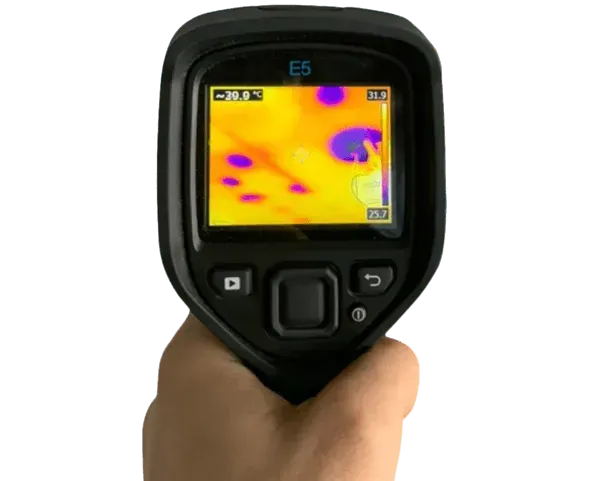
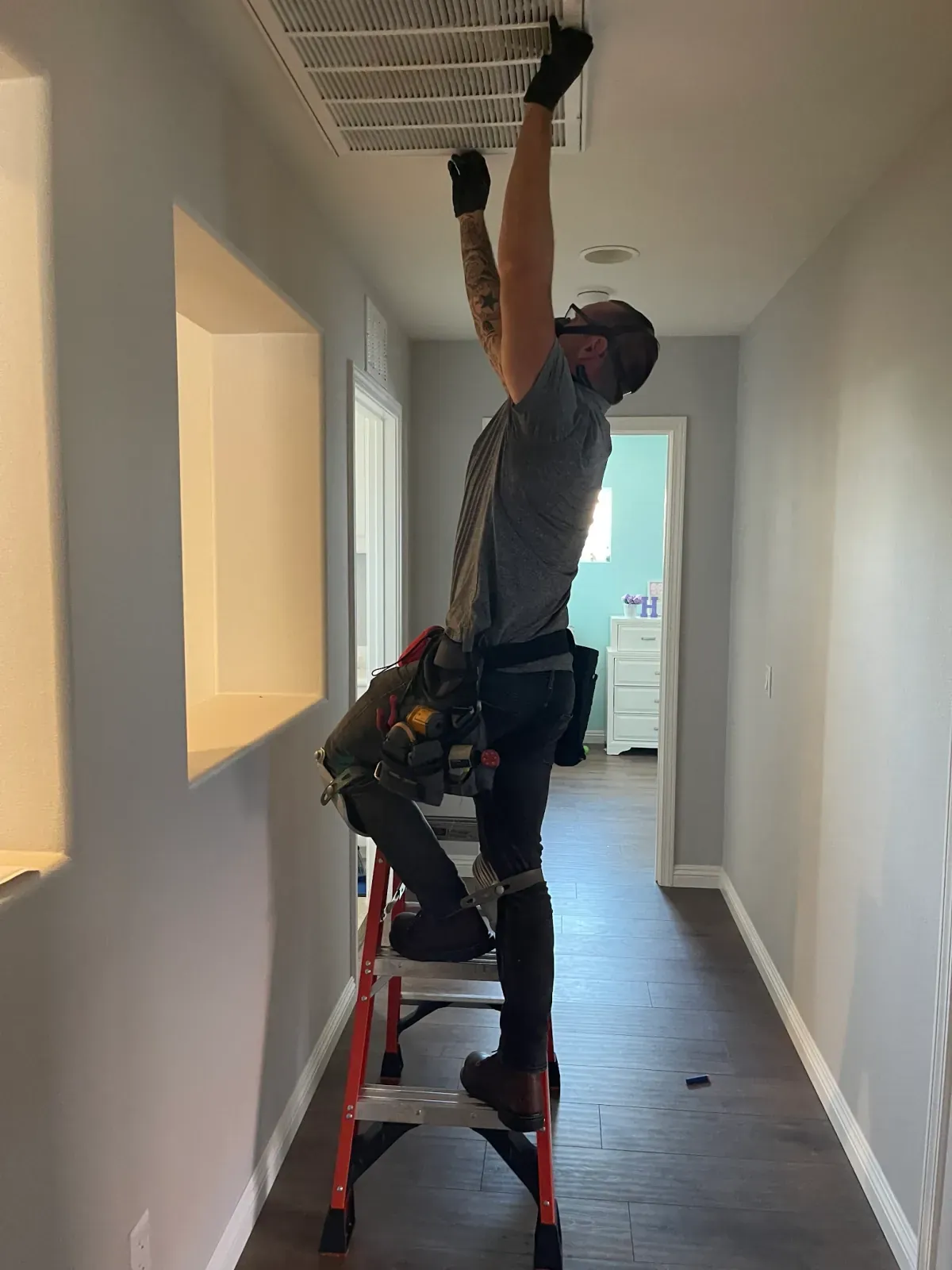
Our mold testing process combines visual investigation + moisture screening + lab-certified sampling to answer real questions about your home. We use air cassettes for airborne mold evaluation, wall cavity sampling for hidden growth screening, HVAC testing for distribution concerns, and swab/tape methods for surface identification.
Every sample is documented with chain-of-custody and analyzed by an accredited lab. You receive clear reporting with practical next steps.
CERTIFIED & Recommended







How Mold Testing Works
Visual assessment + moisture screening
We start by identifying moisture pathways and conditions that support mold—leaks, condensation, ventilation issues, or past water damage. This helps ensure sampling locations are chosen for clarity, not guesswork.
Sampling plan (based on your specific question)
Sampling is most useful when it answers a defined question—odor, symptoms, a prior leak, suspected hidden growth, or HVAC-related concerns.
Lab-certified sample collection + chain-of-custody
Samples are sealed, documented, and delivered to the lab for analysis. You receive clear reporting and a practical explanation of findings.
Mold Air Testing
Air Cassettes / Spore Trap Sampling
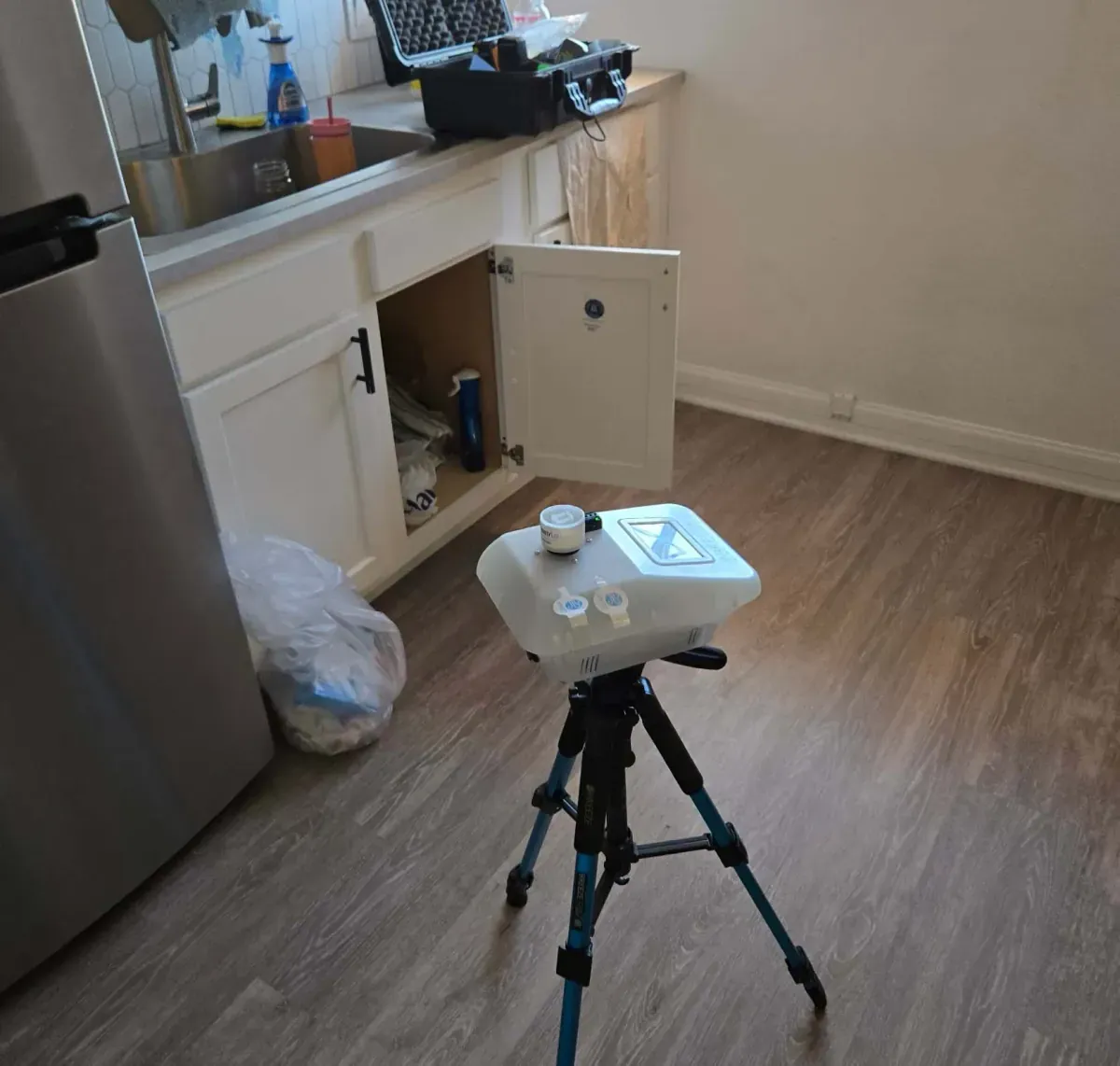
Mold air testing is the most common method for evaluating airborne mold. It provides a snapshot of airborne fungal particles at the time of sampling and helps identify types and quantities present.
How It Works
- We collect an outdoor baseline sample (reference point for the day)
- We collect indoor air samples in areas of concern and/or additional zones as needed
- Samples go to the lab for direct microscopic analysis
What the Lab Report Includes
- Total fungal structures (often reported as a concentration)
- Spore groups / categories and genus-level IDs where possible
- Percent distribution and notable indicators (including fragments)
What Makes Air Results Meaningful
- Indoor vs outdoor comparison (profile, not just totals)
- Unexpected dominance of certain spore groups indoors
- Room-to-room differences that point to localized vs wider influence
- Alignment with building conditions (leaks, condensation, HVAC runtime patterns)
Real-world factors we document
HVAC on/off, windows open/closed, recent cleaning, fans/air scrubbers, renovation activity, and humidity events—because these can all influence a short-term air snapshot.
Wall Cavity Mold Testing
Hidden Mold Screening
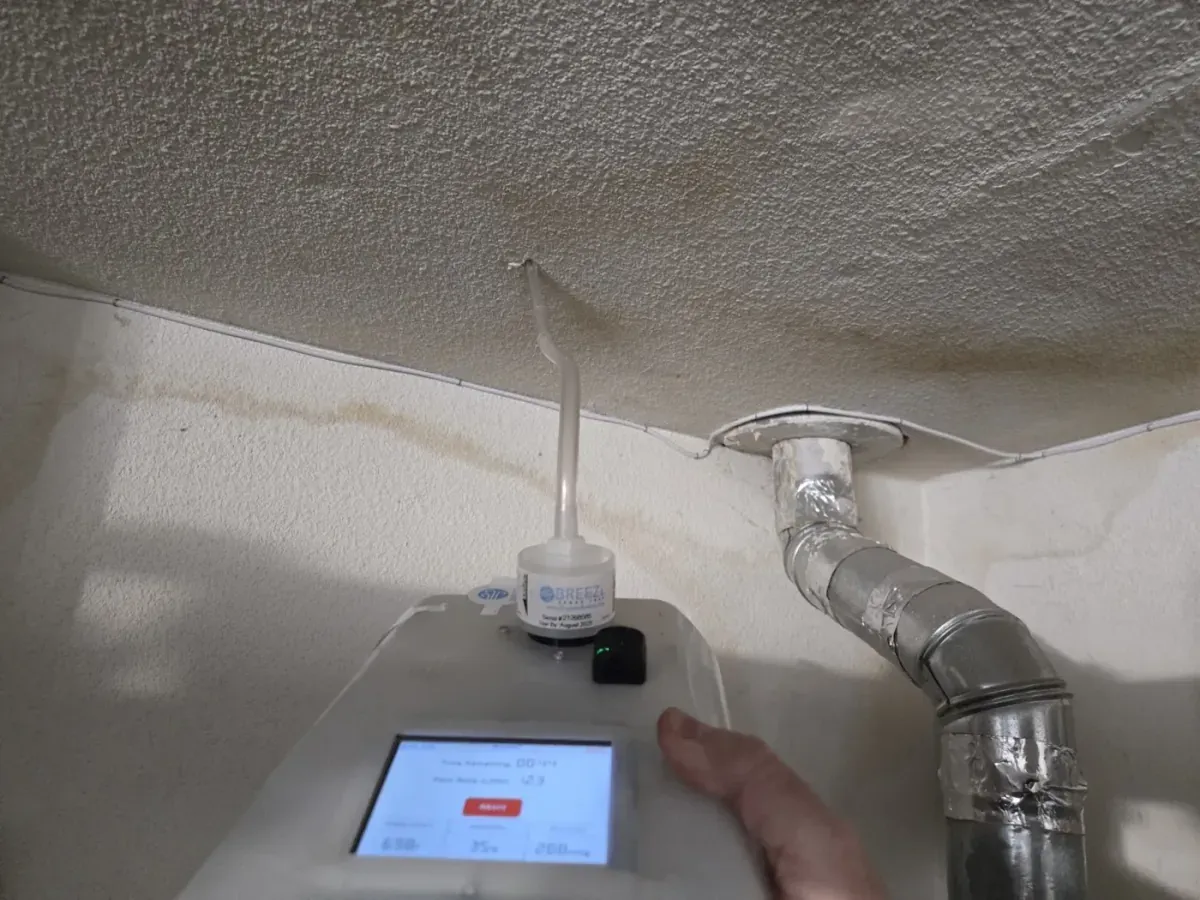
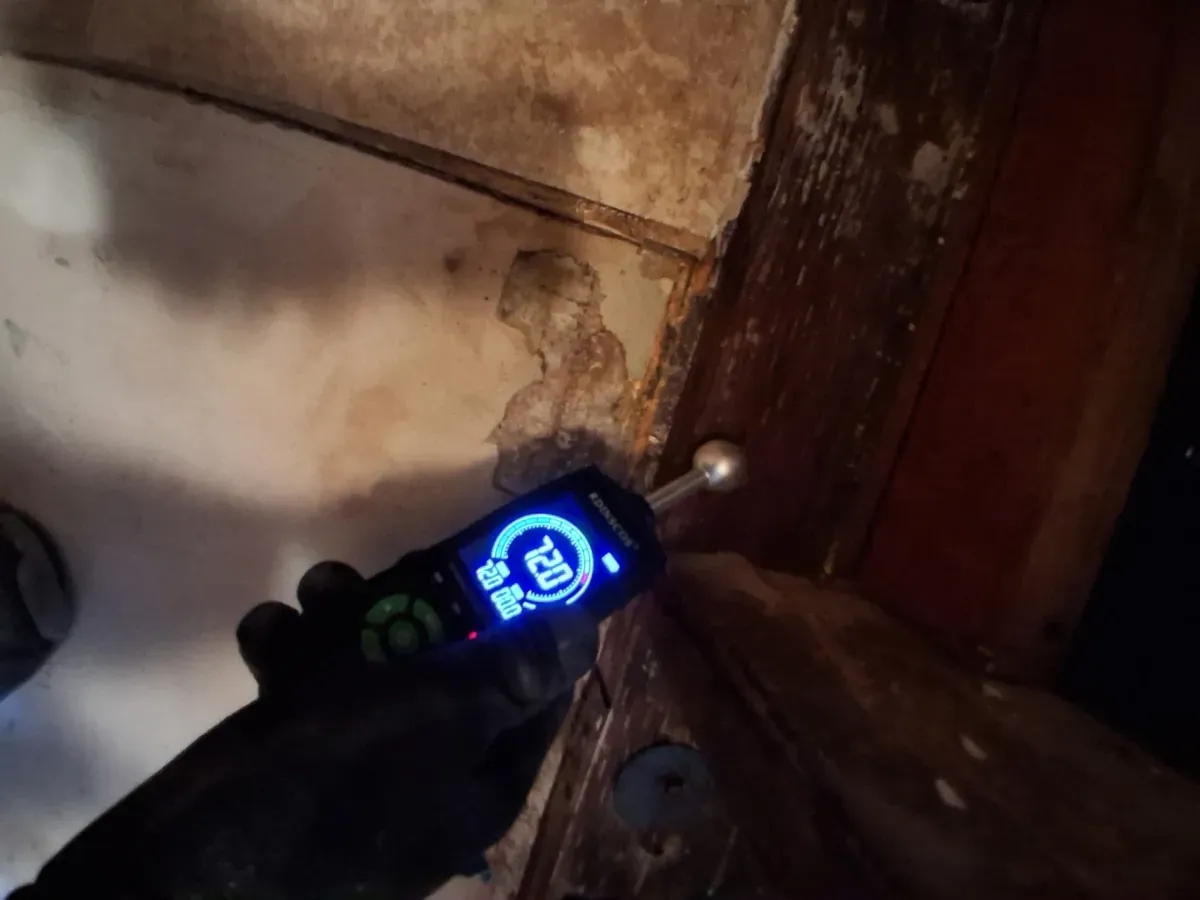
Wall cavity testing is a targeted air cassette sample pulled from within a concealed space—useful when odor or history suggests a hidden source.
Best For
- Musty odor with little/no visible growth
- Known leak history (plumbing, window intrusion, roof flashing, condensate issues)
- Elevated moisture readings behind finishes
- When room air looks “normal” but a specific area still seems suspect
How It Works
- We access a small opening or existing penetration
- We pull air from the cavity into an air cassette
- Results are compared against the outdoor baseline and nearby indoor air
What It Helps Answer
- “Is this wall/cabinet area harboring hidden mold growth?”
- “Is the concern localized or more widespread?”
- “Do we have evidence to justify opening up a specific area?”
Schedule Mold Testing
Get Started Today
If you're dealing with a musty odor, prior water damage, visible spotting, or unexplained indoor irritation, we'll recommend the right combination of air, wall cavity, HVAC, and/or surface sampling—then walk you through the results and next steps.
HVAC / Duct Mold Testing
Supply & Return Influence
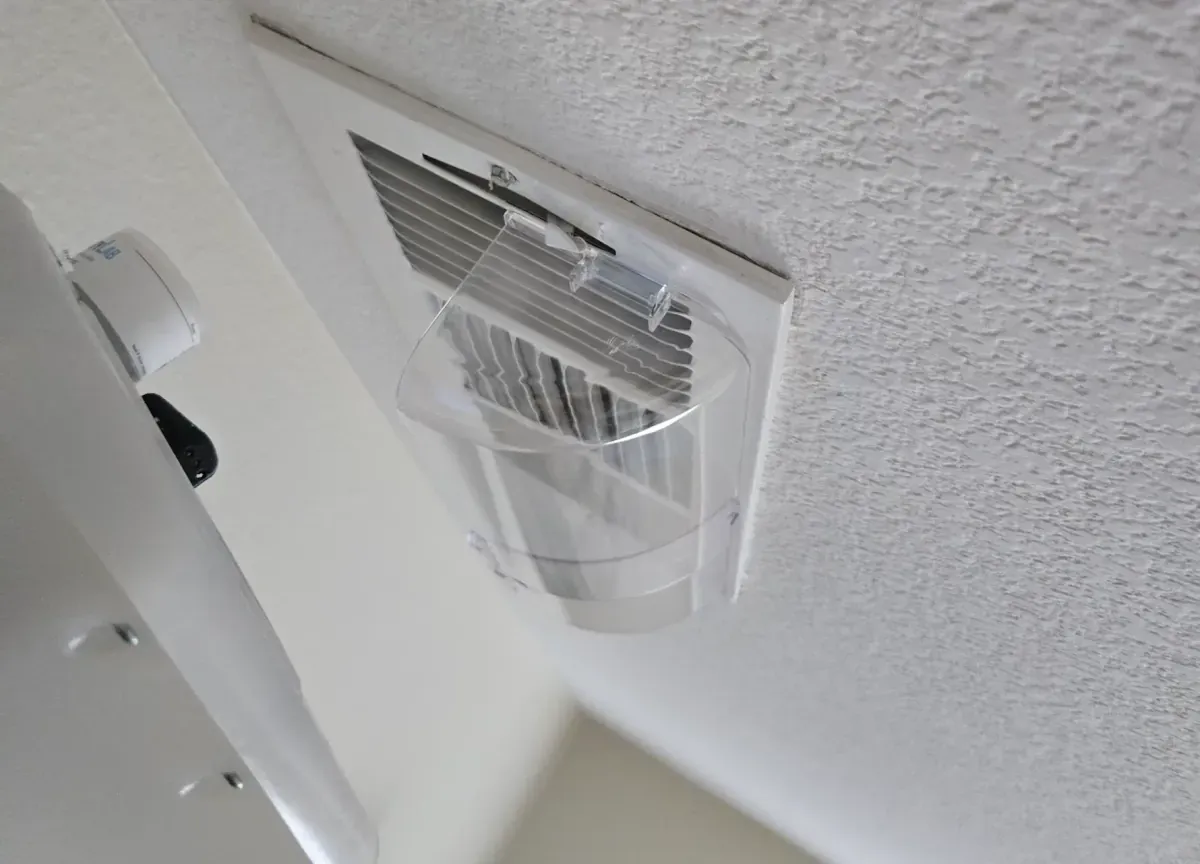
If multiple rooms are affected, symptoms track with HVAC runtime, or odor increases when the system runs, HVAC sampling can help evaluate whether the system may be influencing distribution.
Common Reasons for HVAC Mold Testing
- Musty odor when AC/heat turns on
- Persistent irritation in multiple rooms
- Past water issues near returns/supplies or attic duct sweating
- Concern that one affected area is influencing the rest of the home
What HVAC Testing Helps Answer
- “Is the issue localized or system-influenced?”
- “Does the pattern suggest distribution through the system?”
- “Should the next step include HVAC/duct decontamination or deeper inspection?”
Mold Surface Testing
Swab & Tape Lift Sampling
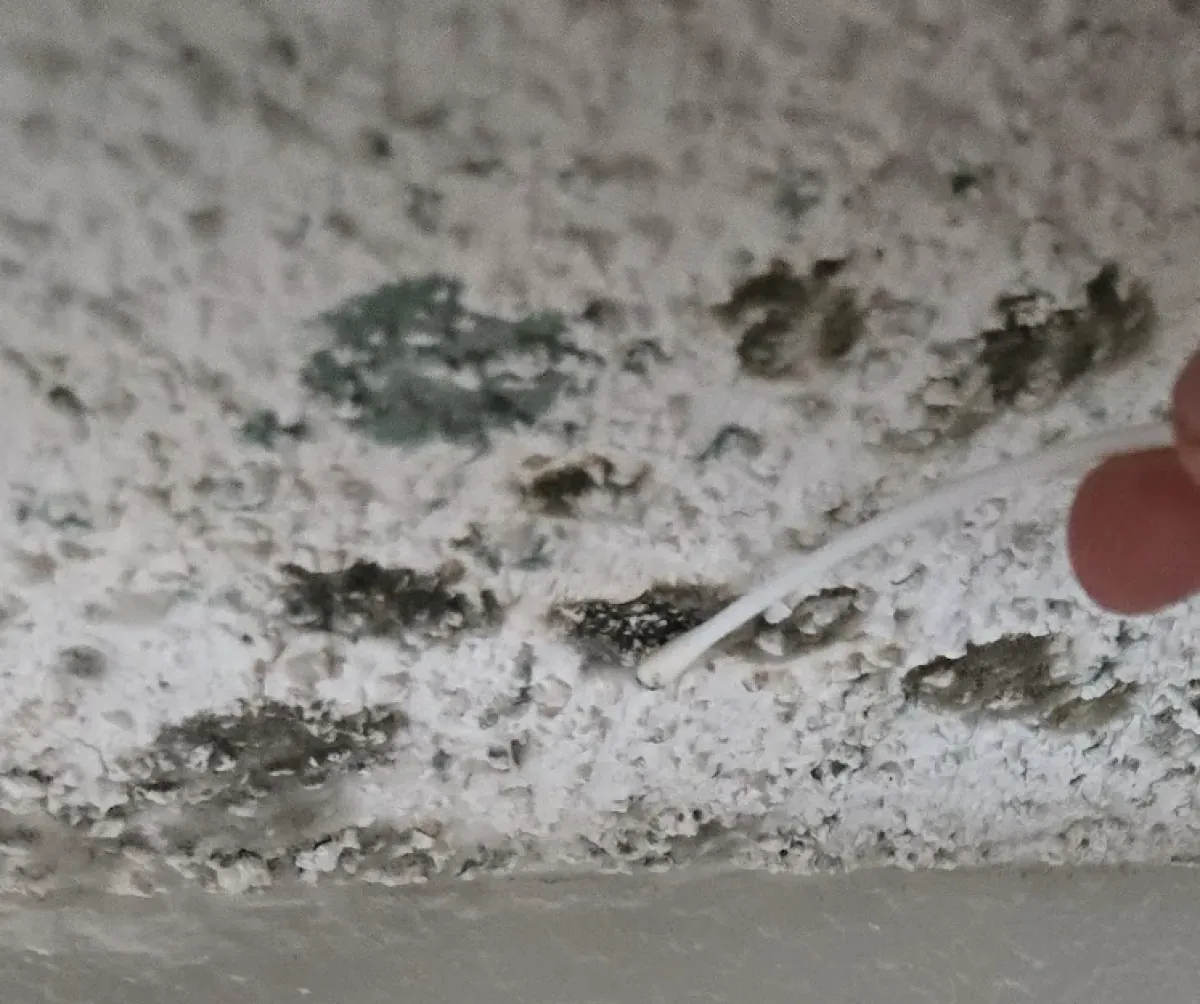
Surface sampling helps identify what's present on a specific material—especially when you need documentation of a visible substance.
Tape Lift Testing
- Useful for visible suspect growth, spotting, or staining
- Captures surface particles for microscopy
Swab Testing
- Useful for porous or textured materials
- Collects material from a specific location (corners, seams, behind trim, under sink edges)
When Surface Testing Is Most Helpful
- You want to confirm whether visible material is consistent with mold
- You need documentation for a specific surface or area
- You want to align remediation decisions with material-specific findings
Common Mold Types You May See in Testing
Labs often report mold at the "spore group" or genus level where possible. The most commonly encountered groups include:
Cladosporium
Common outdoors; may appear indoors and can elevate with moisture-prone materials
Aspergillus/Penicillium-like
Can indicate indoor sources, especially in damp building materials or dust
Chaetomium
Often associated with chronic moisture on cellulose-based materials (drywall, wood, paper backing)
Stachybotrys
Typically linked to prolonged moisture on cellulose materials; usually evaluated alongside moisture history and material conditions
Basidiospores
Often outdoor-derived, but interpretation depends on season and indoor/outdoor patterns
Alternaria
Commonly outdoor; indoor elevation can occur with moisture issues or infiltration patterns
We keep the interpretation practical: what it likely means for your home, what areas are suspect, and what the next step should be.
When Mold Testing Is Recommended
Mold testing is especially useful when:
What You Receive
Testing Method Guides
Each testing method answers a different question. Select a method below for a detailed guide on when it applies, what it can tell you, and how we use it.
Spore Trap Air Sampling
Air cassette sampling with an outdoor baseline for meaningful indoor comparison. Best for odor complaints, symptom correlation, and post-remediation verification.
Wall Cavity Sampling
Targeted interstitial air testing for concealed spaces behind walls and finishes where hidden moisture or growth is suspected.
HVAC Influence Sampling
Sampling when odor or symptoms correlate with HVAC operation to evaluate whether the system is influencing air quality.
Surface Swab & Tape Lift
Swab and tape-lift sampling for visible suspect growth or staining identification on specific surfaces.
Mold Testing by City
We provide lab-certified mold testing across Southwest Riverside County. Each area has its own housing patterns, moisture risks, and common concerns. Select your city for location-specific information.
Murrieta
Family homes, hidden plumbing leaks, bathroom & laundry moisture
Temecula
Old Town to Wine Country—marine layer, tract homes, condensation
Menifee
Newer builds, Heritage Lake area, slab-on-grade foundations
Wildomar
Mission Trail corridor, spread-out lots, irrigation & slab moisture
Winchester
Semi-rural lots, garages & storage buildings, slow unnoticed leaks
Canyon Lake
Gated lakeside community, stored gear & boats, humidity near water
Mold & Indoor
Air QualityBy the numbers
Indoor Air Pollution
Time Indoors
Asthma & Dampness/Mold
Homes With Dampness/Mold Indicators
Most people spend about 90% of their time indoors, which means indoor air quality matters more than we realize. The EPA notes that some indoor pollutants can be 2–5× higher than outdoors (and in certain situations, far higher). Because moisture problems are common in homes, musty odors, past leaks, and hidden damp materials can contribute to indoor air concerns—sometimes even when mold isn't obvious.
If you've had water damage, persistent humidity, or unexplained musty smells, a targeted inspection and testing can help confirm what's happening and identify the source.
Sources: U.S. EPA; Mudarri & Fisk (Indoor Air); LBNL Indoor Air Quality Research
Mold & Indoor
Air QualityBy the numbers
Indoor Air Pollution
Time Indoors
Asthma & Dampness/Mold
Homes With Dampness/Mold Indicators
Sources: U.S. EPA; Mudarri & Fisk (Indoor Air); LBNL Indoor Air Quality Research
Most people spend about 90% of their time indoors, which means indoor air quality matters more than we realize. The EPA notes that some indoor pollutants can be 2–5× higher than outdoors (and in certain situations, far higher). Because moisture problems are common in homes, musty odors, past leaks, and hidden damp materials can contribute to indoor air concerns—sometimes even when mold isn't obvious.
If you've had water damage, persistent humidity, or unexplained musty smells, a targeted inspection and testing can help confirm what's happening and identify the source.
Related Services
Mold testing is just one part of a complete approach. Explore our other services to protect your home and health.
Mold Remediation
Professional removal and restoration when testing confirms mold growth in your home.
Air Quality Testing
Lab-certified air cassette and spore trap sampling to measure airborne mold levels.
Mold Inspection
Comprehensive visual and diagnostic inspection to identify mold sources and moisture pathways.