

Air Quality
Testing
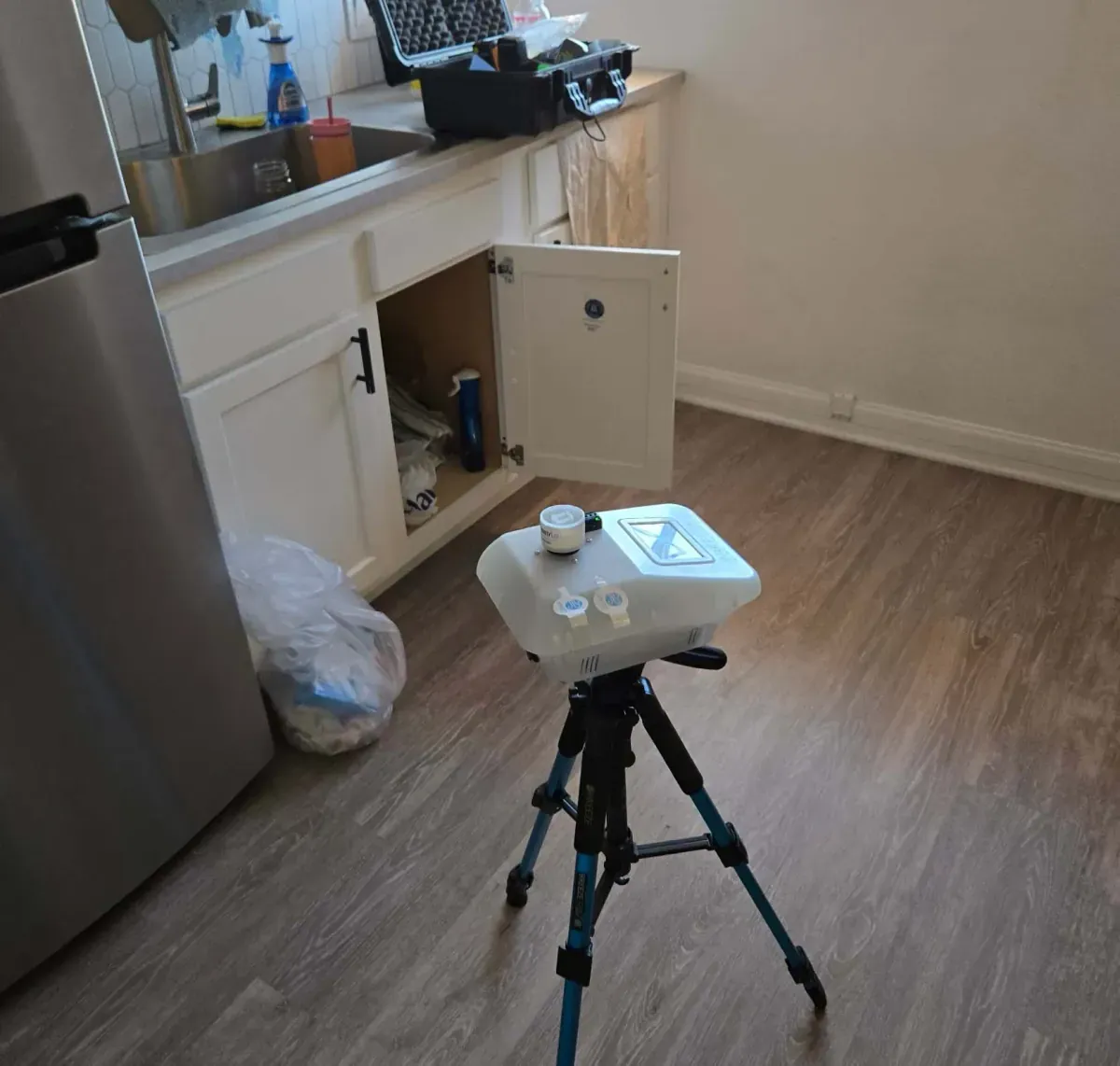
Air Cassettes / Spore Trap Sampling
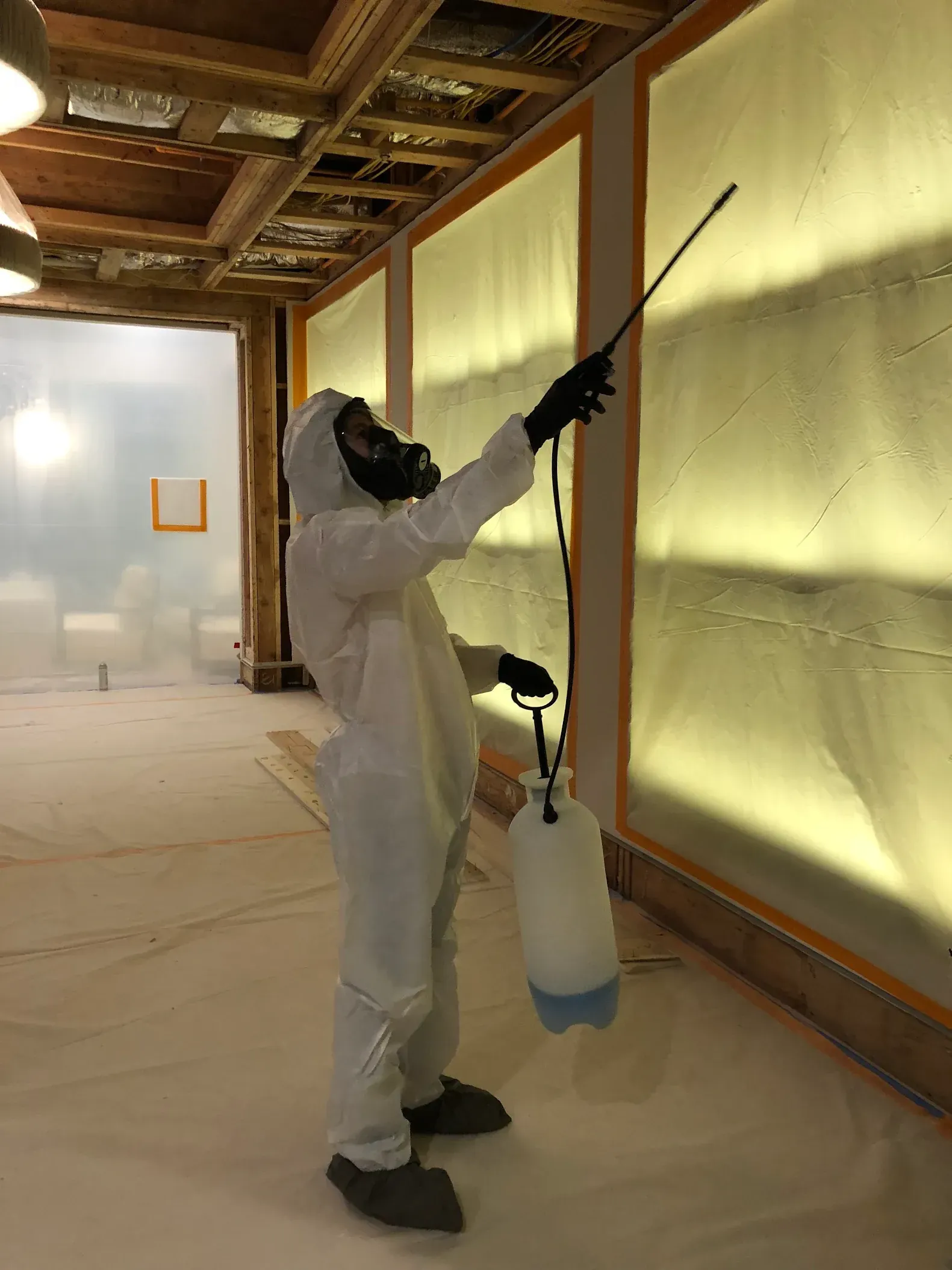
Air quality testing helps answer a simple question: what’s in the air you’re breathing—and does it suggest a normal background or a likely indoor source? Our process combines a targeted inspection with lab-certified air cassette (spore trap) sampling, plus optional surface swab/tape and particle identification when the concern isn’t limited to mold.
Air Quality Testing
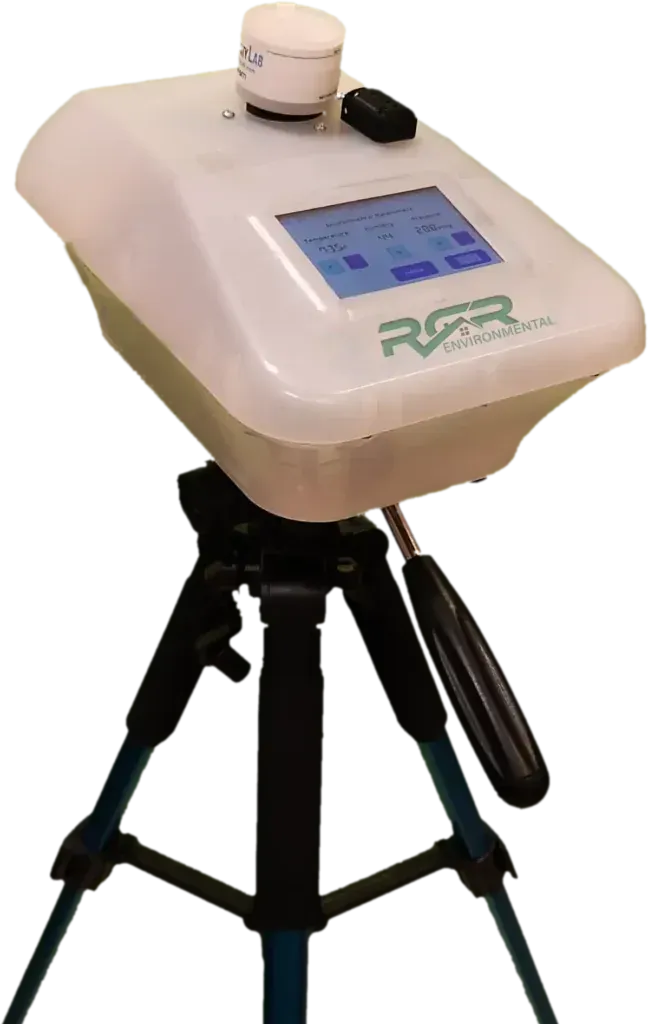
Our process combines a targeted inspection with lab-certified air cassette (spore trap) sampling, plus optional surface swab/tape and particle identification when the concern isn't limited to mold.
Using air cassettes, we evaluate airborne fungal particles and compare indoor patterns to an outdoor baseline—helping identify whether results suggest a normal background versus a likely indoor source.
CERTIFIED & Recommended






Practical Questions
Is the indoor air impacted compared to the outdoor baseline?
Are the findings consistent with normal background, or do they suggest an indoor source?
Which mold types are present, and in what quantities?
Should we sample wall cavities or HVAC to check for hidden mold sources or distribution?
Is the concern mold only—or could it include pollen, dust, fiberglass, or other particulates?
Is the substance on a surface mold, or something else (dust, soot, staining, debris)?
How Air Quality Sampling Works
We establish a sampling plan
We start with the question you’re trying to answer (odor, symptoms, post-water event concerns, hidden mold suspicion, HVAC-related complaints) and select sampling locations that actually help.
We collect an outdoor baseline sample
Outdoor air is the reference point for what’s naturally present that day. This baseline is critical for meaningful interpretation.
We collect indoor air samples using air cassettes
We collect one or more indoor samples in areas of concern and, when appropriate, additional samples to compare different zones (e.g., bedrooms vs living areas, upstairs vs downstairs, near returns/supplies).
Chain-of-custody + lab delivery
Samples are sealed, documented with chain-of-custody, and delivered to the lab for analysis.
What the Lab Report Includes
Lab analysis typically reports:
How We Interpret Air Results
Air sampling becomes powerful when it's interpreted in context—not as a single number. Key interpretation factors include:
- Indoor vs outdoor comparison (the profile and pattern, not just totals)
- Dominance of certain spore groups indoors compared to the baseline
- Room-to-room differences that suggest localized vs widespread influence
- History and building conditions (leaks, condensation, remodeling dust, ventilation issues, HVAC runtime complaints)
When indoor results show patterns that don't track with the outdoor baseline, it can help support the likelihood of a local indoor source—especially when paired with inspection and moisture screening.
Important Real-World Factors We Account For
Air results can shift based on conditions at the time of sampling, such as:
- •HVAC on/off and filtration status
- •Windows open/closed and cross-ventilation
- •Recent cleaning, vacuuming, foot traffic, or construction activity
- •Fans, air scrubbers, or purifiers running recently
- •Humidity events (showers, cooking, storms, ventilation imbalance)
That's why we document conditions carefully—and why one sample alone is rarely the whole story.
Schedule Air Quality Testing
Get Started Today
If you're dealing with a musty odor, unexplained irritation, a recent leak, or ongoing concerns about what's circulating through the home, we'll help you choose the right combination of air, surface, and particle ID sampling—then walk you through the results and next steps.
Surface Sampling
Swab & Tape Lift Testing
Surface sampling answers a different question than air sampling: "What is this on the material?"
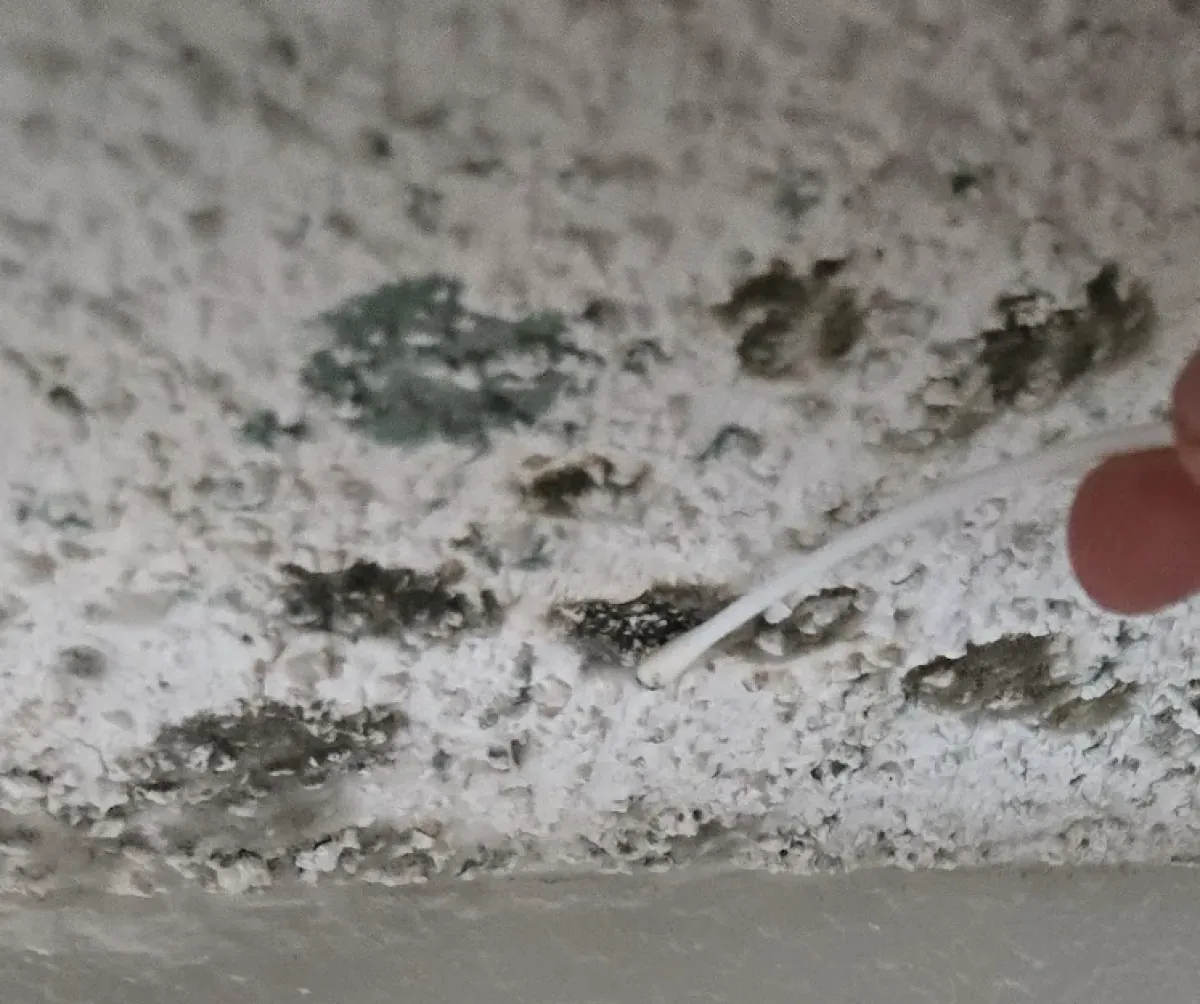
Tape Lift Testing
A clear tape sample captures surface material for lab microscopy. It's useful when:
- There is visible suspect growth or spotting
- You need documentation for a specific material/area
- You want a direct look at what’s present on the surface
Swab Testing
A sterile swab collects material from a defined location. It's useful when:
- The surface is irregular, porous, or textured
- You want documentation tied to a specific spot (corners, seams, behind trim)
- You need more sample material than tape alone captures
Surface sampling is often used to confirm whether a substance appears consistent with microbial growth versus another material (dust, staining, residue).
Particle Identification Testing
Pollen, Dust, Fiberglass & Other Airborne Irritants
Not all "air quality" concerns are mold-only. If symptoms persist but mold results don't explain the complaint—or if there are known allergy triggers—particle identification sampling can help.
Particle ID Testing Can Identify
- Pollens and outdoor allergen infiltration
- Dust and debris from construction, remodeling, or deteriorating materials
- Fiberglass or insulation fragments (often tied to attic/duct issues)
- Other non-mold particulates that may contribute to irritation
Especially Helpful When
- Symptoms are consistent with allergies but mold results appear normal
- There’s ongoing dust accumulation without a clear cause
- The home has recent renovation, ceiling/attic work, or duct concerns
When Air Quality Testing Makes Sense
Air quality testing is especially helpful when:
Testing Method Guides
Air quality testing is one approach. Depending on the concern, other methods may provide additional clarity or be used alongside air sampling.
Spore Trap Air Sampling
Air cassette sampling with outdoor baseline for meaningful comparison.
Wall Cavity Sampling
Testing concealed spaces behind walls when hidden mold is suspected.
HVAC Influence Sampling
When odor or symptoms follow HVAC runtime.
Surface Swab & Tape Lift
Identifying visible suspect growth on surfaces.
Moisture Mapping & Infrared
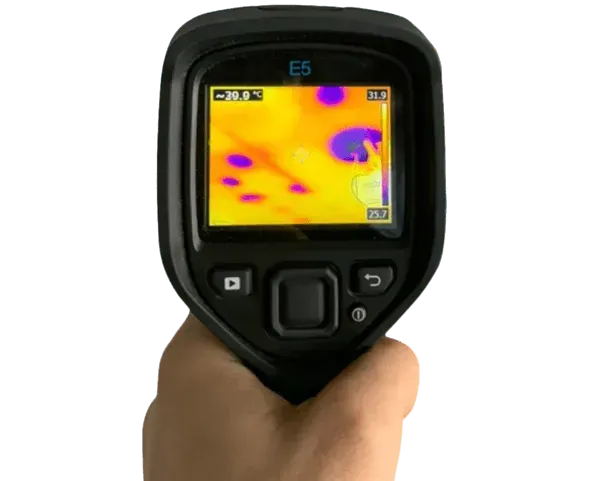
Visual + infrared + moisture meter inspection to find the source.
What You Receive
Air Quality
Procedure Outline
Core Steps
Free Initial Assessment
Begin with a complimentary on-site evaluation to understand the specific needs and concerns of the client. Our technician will conduct a visual inspection and discuss the potential issues with the homeowner.
Sampling of Indoor Air
Using state-of-the-art equipment, we'll collect samples from various zones in the property to gauge the indoor air contaminants, including mold spores, allergens, and other particulates.
Outdoor Referencing
To ensure accuracy in our results, we'll also take an outdoor air sample. This acts as a reference point and helps us identify anomalies in the indoor environment.
Detailed Lab Analysis
The collected samples are sent to our accredited laboratory. Here, they undergo a meticulous examination to determine the types and concentrations of pollutants.
Comprehensive Report
Once the lab analysis is complete, we'll prepare an in-depth report detailing our findings. This will include potential health risks, recommended corrective actions, and any other relevant insights.
Advice & Solutions
Based on our findings, we'll offer tailored solutions to rectify identified air quality issues. This may include mold remediation steps, ventilation improvements, or moisture control methods to ensure a healthier living environment.
Mold & Indoor
Air QualityBy the numbers
Indoor Air Pollution
Time Indoors
Asthma & Dampness/Mold
Homes With Dampness/Mold Indicators
Most people spend about 90% of their time indoors, which means indoor air quality matters more than we realize. The EPA notes that some indoor pollutants can be 2–5× higher than outdoors (and in certain situations, far higher). Because moisture problems are common in homes, musty odors, past leaks, and hidden damp materials can contribute to indoor air concerns—sometimes even when mold isn't obvious.
If you've had water damage, persistent humidity, or unexplained musty smells, a targeted inspection and testing can help confirm what's happening and identify the source.
Sources: U.S. EPA; Mudarri & Fisk (Indoor Air); LBNL Indoor Air Quality Research
Mold & Indoor
Air QualityBy the numbers
Indoor Air Pollution
Time Indoors
Asthma & Dampness/Mold
Homes With Dampness/Mold Indicators
Sources: U.S. EPA; Mudarri & Fisk (Indoor Air); LBNL Indoor Air Quality Research
Most people spend about 90% of their time indoors, which means indoor air quality matters more than we realize. The EPA notes that some indoor pollutants can be 2–5× higher than outdoors (and in certain situations, far higher). Because moisture problems are common in homes, musty odors, past leaks, and hidden damp materials can contribute to indoor air concerns—sometimes even when mold isn't obvious.
If you've had water damage, persistent humidity, or unexplained musty smells, a targeted inspection and testing can help confirm what's happening and identify the source.
Related Services
Air quality testing pairs with our other services for a complete picture of your indoor environment.
Mold Testing
Surface swabs, tape lifts, and wall cavity sampling to complement air quality results.
Mold Remediation
Professional removal and restoration if air testing reveals elevated mold spore counts.
Mold Inspection
Comprehensive visual and diagnostic inspection to identify mold sources and moisture pathways.
Water Damage
Emergency water extraction, structural drying, and moisture control to prevent mold growth after leaks or flooding.