

Transport &
Disposal
Safe Removal of Mold-Contaminated Materials
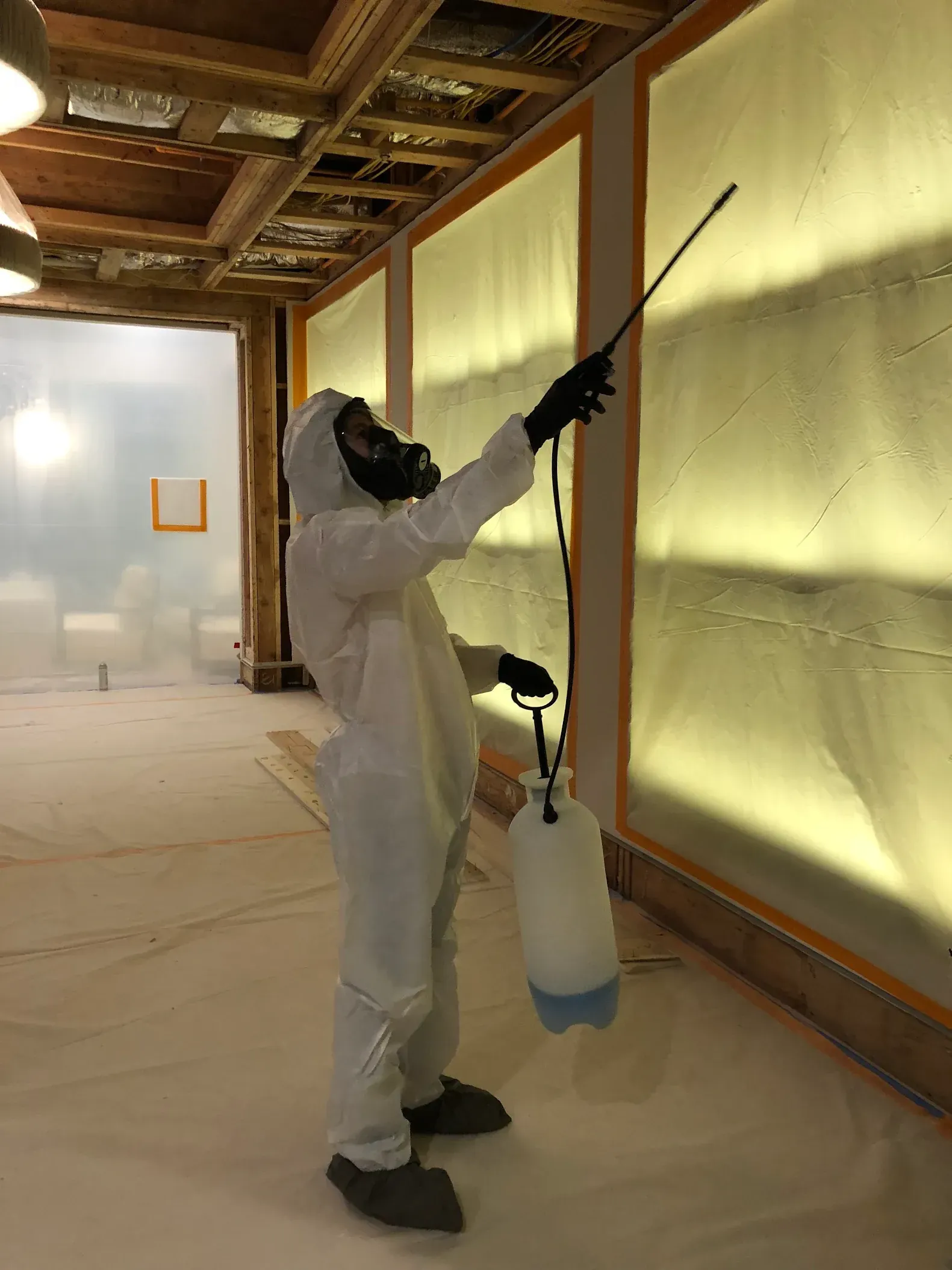
Contaminated materials are sealed in heavy-duty bags, transported through protected pathways, and disposed of at approved facilities in compliance with local regulations. Proper handling prevents rupture and the release of mold spores during removal.
Transport & Disposal
Removing mold-affected materials is only half the job. Proper transport and disposal prevent recontamination of your property and ensure compliance with local hazardous waste regulations. Without controlled handling within containment and negative air pressure, the removal process itself can spread contamination.
We double-bag contaminated materials in heavy-duty sealed bags, transport them through controlled pathways, and dispose of them at appropriate facilities that accept mold-contaminated materials. Bags are never compressed or dropped during transport to prevent rupturing and the release of mold spores.
CERTIFIED & Recommended





Why Proper Disposal Matters
Every mold remediation project generates contaminated waste. How that waste is handled directly affects the success of the remediation and the safety of your property.
Preventing Spore Dispersal
Sealed bagging and controlled transport prevent mold spores from spreading through your home during the removal process.
Regulatory Compliance
Mold waste may be classified as hazardous material depending on jurisdiction. We follow local regulations for proper transport and disposal.
Protecting Clean Areas
Contaminated materials are removed via protected pathways with floor covering, never transported through occupied living spaces.
Documentation
Disposal records and documentation support insurance claims, project closeout, and demonstrate regulatory compliance.
Sealing and Staging
Contaminated materials are carefully prepared for transport within the containment zone before being moved through the property.
Double-bagging in 6mil polyethylene bags
Heavy-duty bags provide a double barrier against spore release. Inner and outer bags are independently sealed to prevent leaks.
HEPA vacuuming of bag exteriors
Before bags leave the containment zone, exterior surfaces are HEPA vacuumed to remove any settled spores that could contaminate clean areas.
Controlled staging within containment
Sealed bags are staged in a designated area within the containment zone until a protected transport pathway is prepared.
Sealed before transport through property
All bags are fully sealed and inspected before being moved through any area of the property to prevent accidental contamination.
Transport Protocols
Moving contaminated materials through your property requires controlled procedures to prevent spore release and cross-contamination.
Protected Pathways
Floor covering and pathway protection is installed from the containment exit to the exterior staging area, preventing contamination of flooring and clean spaces.
Careful Handling
Bags are carried — not dragged — to prevent rupture. Avoid compressing or dropping bags during transport to prevent the release of mold spores.
Direct Routes
Materials are moved via the most direct route to the exterior, minimizing time spent in any area of the home and reducing exposure risk.
Avoid Occupied Spaces
Transport routes are planned to avoid occupied living areas whenever possible. When unavoidable, additional protection measures are used.
Disposal and Documentation
Contaminated materials are transported to appropriate disposal sites and all handling is documented for your records.
- Transport to approved disposal facilities that accept mold-contaminated materials
- Compliance with local regulations for the disposal of hazardous materials
- Documentation of materials removed and disposal methods used
- Records available for insurance claims and project closeout
- Chain of custody maintained from containment to disposal site
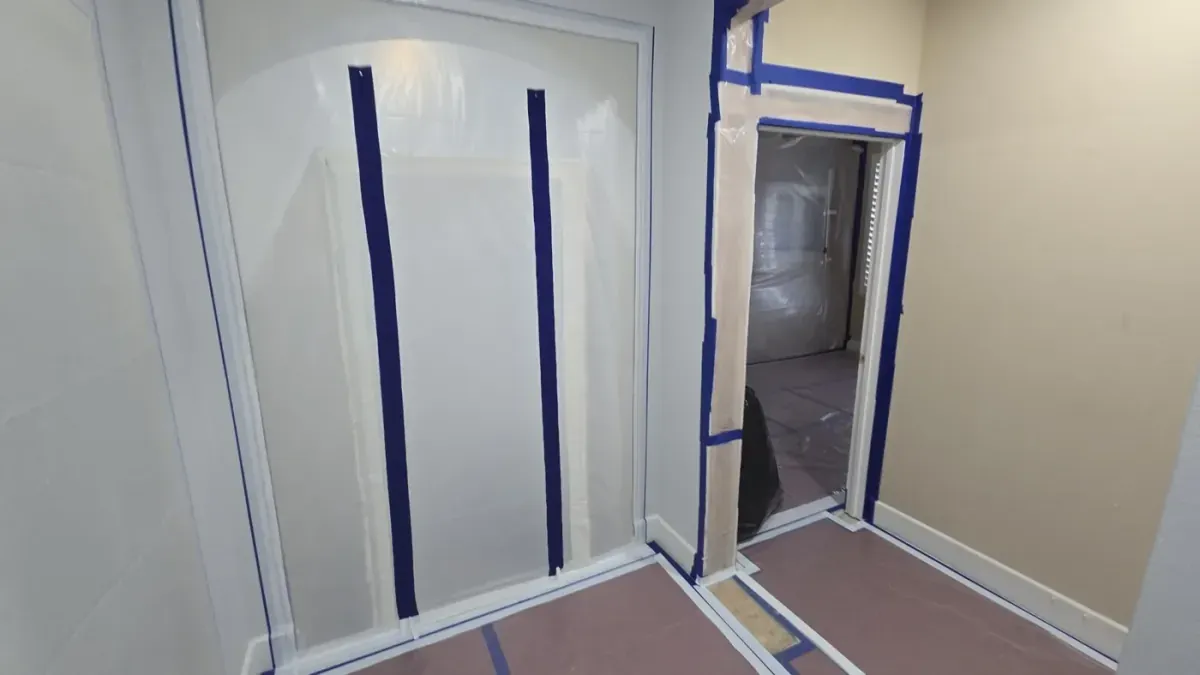
Safe Material Disposal
Compliant Handling From Containment to Disposal
Proper disposal protects your property and ensures the remediation work isn't undermined by careless handling. From sealed bagging to approved facility disposal, every step is controlled and documented.
Frequently Asked Questions
Is mold-contaminated material considered hazardous waste?
It depends on local regulations and the type of contamination. Some jurisdictions classify certain mold waste as hazardous, particularly when combined with other contaminants. We follow all applicable regulations for your area to ensure compliant disposal.
Can I dispose of mold-contaminated materials myself?
Not recommended. Improper handling can spread contamination through your home and expose you to airborne spores. Professional disposal ensures proper containment, transport protocols, and regulatory compliance.
How are materials sealed during transport?
Contaminated materials are double-bagged in heavy-duty 6mil polyethylene bags, HEPA vacuumed on the exterior to remove surface contamination, and carried via protected pathways to prevent bag rupture and spore release.
What documentation do I receive for disposal?
You’ll receive documentation of the materials removed, transport protocols followed, and confirmation of disposal at approved facilities. This documentation supports insurance claims and project closeout records.
Other Remediation Phases
Transport and disposal is coordinated with the broader remediation process. Each phase supports safe, effective results.
Mold Abatement & Removal
The removal phase that generates contaminated materials requiring proper disposal.
Containment & Negative Air
Work zone isolation and HEPA-filtered airflow control to prevent cross-contamination and spore migration.
Dehumidification & Drying
Structural drying after contaminated materials are removed and disposed of.
Sink/Cabinet Repair
Rebuilding cabinets and structures after damaged materials are removed and disposed of.
Post-Remediation Clearance
Lab-certified verification after disposal and remediation are complete.
Related Services
Transport and disposal is one part of a comprehensive remediation approach. Explore our related services.
Mold Remediation
Full remediation process including containment, removal, and clearance — proper disposal is built into every project.
Mold Inspection
Visual assessment and moisture verification to identify the scope of materials that may require removal and disposal.
Water Damage Restoration
Emergency water extraction and restoration — water-damaged materials may also require controlled disposal.