

Post-Remediation
Clearance Testing
Verification After Mold Removal
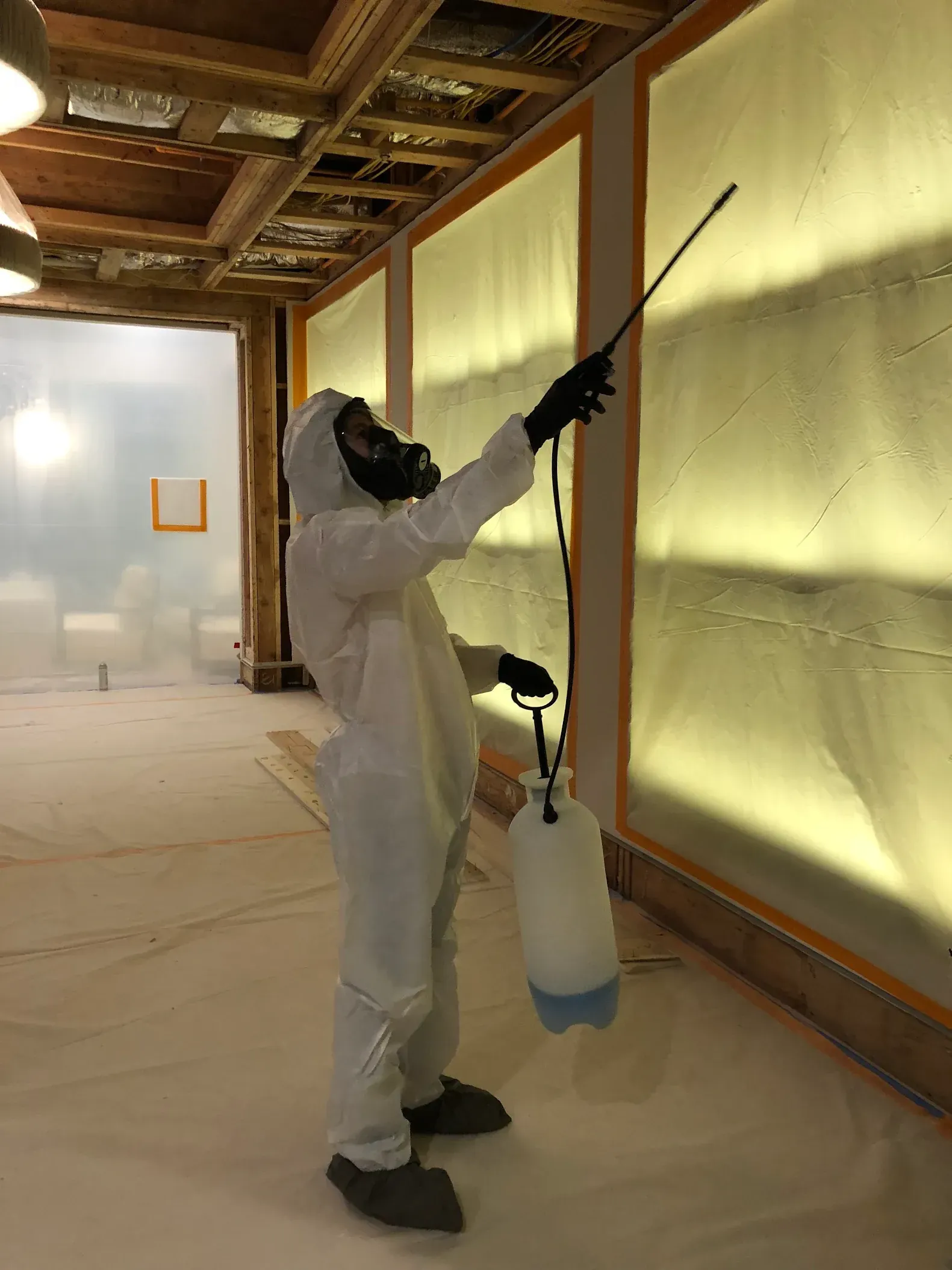
Clearance testing is the final checkpoint before reconstruction begins. Lab-certified sampling confirms that remediation achieved the intended result and the work zone is ready to close out.
Post-Remediation Clearance Testing
Clearance testing answers a simple question: did the remediation work? It's not an inspection and it's not a routine air quality test — it's a targeted verification step designed to confirm that the work zone meets appropriate conditions before containment is removed and reconstruction begins.
This step is important for insurance documentation, warranty support, and peace of mind. Without clearance, there's no objective confirmation that the work achieved what it was designed to do.
CERTIFIED & Recommended




When Clearance Testing Is Performed
Clearance testing is typically the final step of a professional remediation project. It's most relevant when:
Insurance-Covered Remediation
Most insurance-covered projects require documented clearance as part of the closeout. Clearance results support the claim file and confirm the scope was completed.
Third-Party Verification
When an independent assessment is needed to confirm the remediator’s work, clearance testing provides objective, lab-certified data from an outside party.
Pre-Reconstruction Confirmation
Before drywall, insulation, and finishes go back up, clearance confirms the structure is ready. Rebuilding over unresolved contamination creates hidden problems.
Warranty and Documentation
Clearance results serve as the baseline for remediation warranty coverage and provide permanent documentation of the project outcome.
What Clearance Testing Involves
Clearance is a focused sampling event designed to verify post-remediation conditions. It typically includes:
Visual assessment of the work zone
Before any sampling, we confirm that all affected materials have been removed, surfaces are clean, and no visible suspect growth remains.
Air sampling inside and outside the work zone
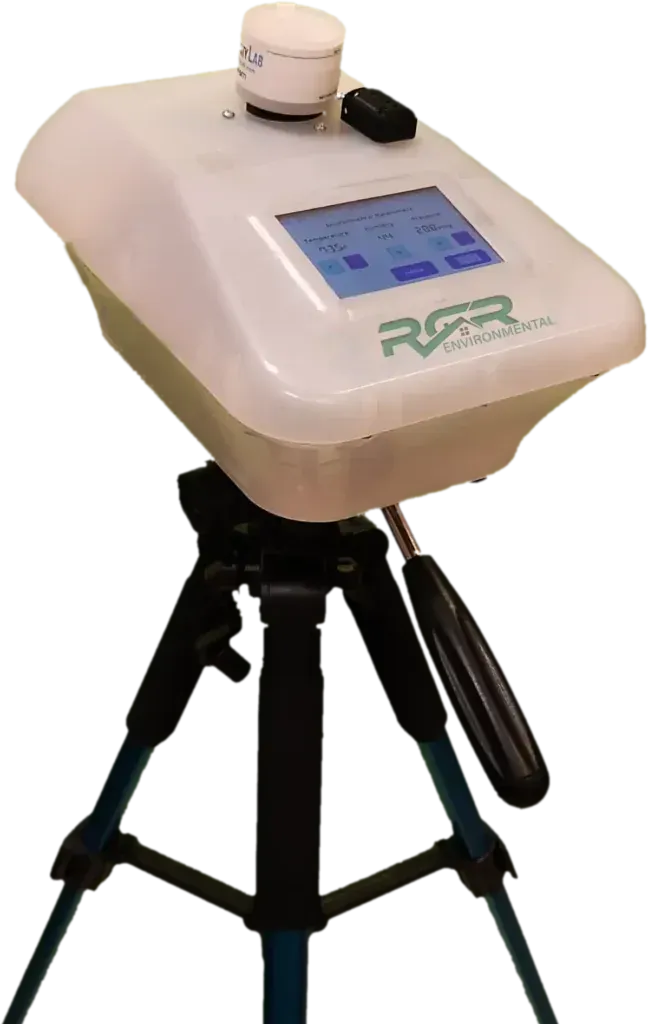
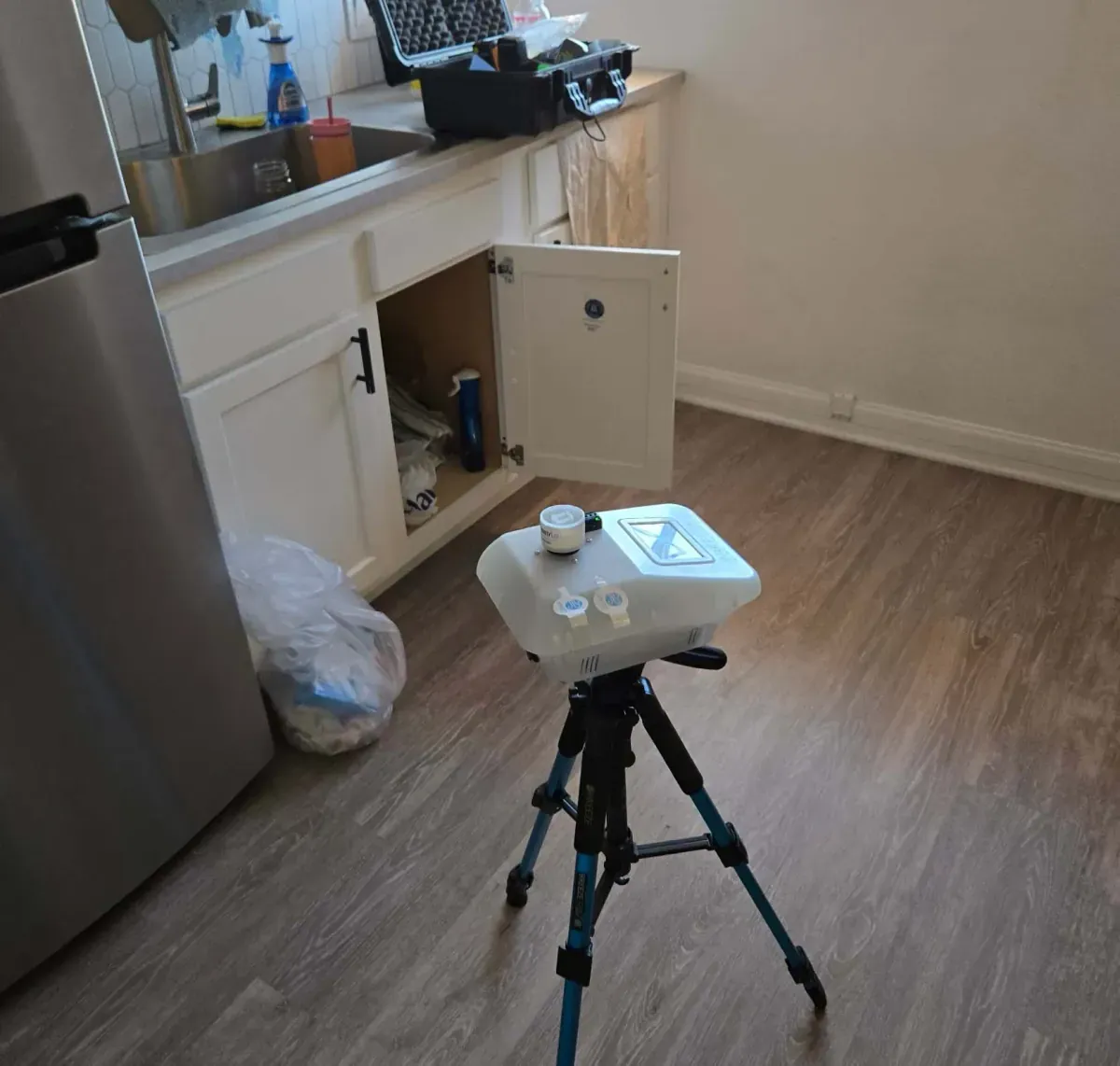
Spore trap air cassettes are placed inside the former containment area and outdoors to establish a comparison baseline, consistent with standard clearance methodology.
Surface sampling when warranted
In some cases, tape-lift or swab samples of cleaned structural surfaces provide additional confirmation that surface conditions meet expectations.
Lab analysis and interpretation
Samples are submitted to an accredited laboratory for direct microscopic analysis. Results are interpreted in context — not just compared to a number.
What Clearance Results Tell You
Passing Clearance Indicates
- Airborne fungal levels inside the work zone are consistent with or lower than the outdoor baseline
- No visible suspect growth remains on cleaned structural surfaces
- The work zone is ready for reconstruction
- Documentation supports insurance closeout and warranty
If Clearance Criteria Aren't Met
- Additional cleaning or targeted re-treatment is performed
- The work zone is re-sampled after corrections
- The process repeats until clearance conditions are achieved
- This protects against rebuilding over unresolved conditions
Clearance testing is typically performed by an independent party — not the company that performed the remediation. This separation supports objectivity and is expected by most insurance carriers and industry guidelines.
Clearance Documentation
A clearance report provides permanent documentation of the remediation outcome. This includes:
This documentation supports your insurance claim file, remediation warranty, and provides a baseline record if questions arise in the future.
Clearance Testing & Verification
Confirm the Work Was Done Right
Before reconstruction begins, clearance testing provides lab-certified confirmation that remediation achieved the intended result. Whether it's for insurance documentation, warranty support, or your own peace of mind, clearance is the final checkpoint.
Frequently Asked Questions
Is clearance testing required after every remediation?
It’s not legally mandated in every case, but it’s strongly recommended — and typically required for insurance-covered projects. Without clearance, there’s no objective documentation that the remediation achieved the intended result.
Who performs clearance testing?
Clearance is typically performed by an independent party — not the remediation contractor. This separation provides objectivity and is expected by most insurance carriers. We can coordinate clearance through a qualified third party, or perform it ourselves when the project scope allows.
What happens if clearance testing fails?
Additional cleaning or targeted re-treatment is performed, and the area is re-sampled. The process repeats until clearance conditions are met. This is built into the remediation workflow — it’s not unusual and it’s handled as part of the project.
How long does clearance testing take?
The on-site sampling typically takes 1–2 hours depending on the scope. Lab results are usually available within 2–3 business days. We provide a summary interpretation along with the raw lab data.
Other Remediation Phases
Clearance is the final verification step. Here are other key phases of the remediation process.
Containment & Negative Air
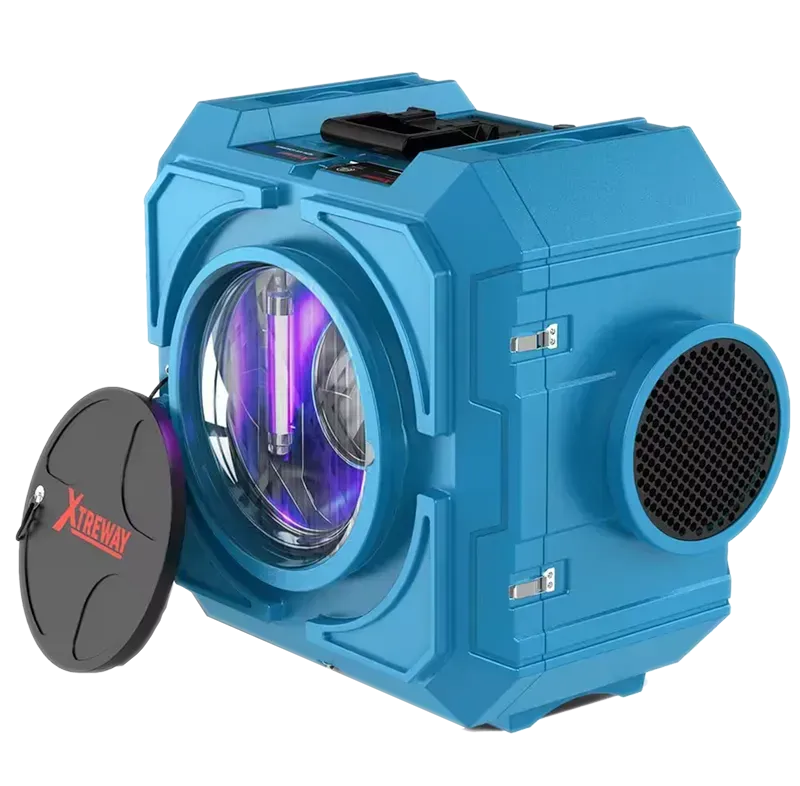
Work zone isolation and HEPA-filtered airflow control that supports valid clearance testing conditions.
Mold Abatement & Removal
Targeted removal and treatment of mold-affected materials and surfaces.
Antimicrobial Decontamination
Whole-home antimicrobial treatment often performed before clearance sampling.
Dehumidification & Drying
Structural drying must reach dry-standard conditions before clearance testing can be performed.
HVAC & Duct Decontamination
System-level cleaning that may be verified as part of clearance evaluation.
Related Services
Clearance testing is one part of a complete remediation approach. Explore our related services.
Mold Remediation
Full remediation process from source identification through clearance — every qualifying project includes clearance coordination.
Mold Testing
Lab-certified air and surface sampling for initial assessment, documentation, and post-remediation verification.
Mold Inspection
Visual assessment, infrared screening, and moisture verification to identify the scope before remediation begins.