

Dr. Vincent Marinkovich: Pioneer in Mold Research and Advocate for Environmental Health
How one immunologist's work on damp-building exposures, the MAST allergy blood test, and fungal hypersensitivity still informs practical building science today.
When people talk about mold, you'll hear plenty of myths—and a lot of fear-driven information. What's often missing is a grounded, science-forward perspective that connects real building conditions (water intrusion, dampness, hidden moisture) with real human experience (respiratory symptoms, allergy-type reactions, and other nonspecific complaints that worsen in damp environments).
That's part of why the work of Dr. Vincent Marinkovich is still referenced today. Known to many as “Dr. Mold,” he was an immunologist who pushed for greater recognition of damp-building exposures and the ways they can affect occupants—especially when moisture problems are ignored, minimized, or repeatedly “patched” without solving the cause.
At RCR Environmental, we reference his work not to sensationalize mold—but to reinforce a practical truth shared by major agencies: moisture control is the foundation.
Why Dr. Marinkovich Matters in Today's Mold Conversation
Dr. Marinkovich's work is still discussed today because he sat at the intersection of patient care and indoor environmental exposure. While opinions vary across the medical community on how mold-related illness should be defined clinically, public health and building science remain consistent on the practical response: when a building has dampness or mold growth, the priority is to identify the moisture source, correct it, and remediate impacted materials appropriately.
About Dr. Vincent Marinkovich
Education
California Institute of Technology (1955) and Harvard Medical School (1959)
Academic Ties
Taught at Caltech and Stanford School of Medicine
Diagnostics
Credited with developing the MAST allergy blood test, an in-vitro system for allergy detection
Consumer Access
Founded Immune Tech (1999) to offer mail-order allergy testing kits
Mold-Focused Publication
Authored a 2004 review on fungal hypersensitivity in Advances in Applied Microbiology
Early Life, Education, and Clinical Work
According to a published obituary describing his career, Dr. Marinkovich graduated from Caltech in 1955 and Harvard Medical School in 1959, taught at Caltech and Stanford Medical School, and later opened a private practice in Palo Alto in 1973, continuing to work until shortly before his death.
A Major Contribution to Allergy Diagnostics: The MAST Blood Test
One of Dr. Marinkovich's best-known contributions was his role in developing the MAST (Multiple Allergen Simultaneous Test) immunodiagnostic system—a laboratory method designed to detect allergy-related immune responses using blood rather than traditional skin testing.
Early clinical literature describes the MAST system as a multi-allergen in-vitro testing approach used for IgE-mediated allergy assessment—helping simplify the process of testing against multiple antigens.
Note: MAST here refers to the Multiple Allergen Simultaneous Test immunodiagnostic system—not “mast cell activation testing,” which is a different clinical concept.
Why this mattered: It helped expand diagnostic options, especially for patients who couldn't easily rely on (or didn't prefer) skin testing.
Expanding Access: Immune Tech and Home-Based Testing
In 1999, he founded Immune Tech in Menlo Park to offer mail-order allergy testing kits, allowing people to collect a small blood sample at home and submit it for analysis, with results delivered directly to the customer.
Regardless of where you stand on direct-to-consumer testing, this reflected a consistent theme in his career: making environmental and allergy-related information more accessible.
His Mold Work in Context: What He Wrote, and Why It's Still Discussed
The 2004 Review: Fungal Hypersensitivity and Damp Indoor Environments
Dr. Marinkovich authored a 2004 review titled “Fungal hypersensitivity: pathophysiology, diagnosis, therapy” (PubMed citation), published in Advances in Applied Microbiology, with affiliation listed at Stanford Medical School.
In the paper, he discussed fungal exposure in heavily contaminated indoor environments and outlined a framework he used clinically. For example, he described diagnosis resting on four criteria (including documented exposure, symptoms linked to exposure timing, specific immune findings, and clinical response to a fungal-avoidance approach), and noted that IgE antibodies are “usually not involved” in certain hypersensitivity phenomena from high-dose antigen exposure—implying skin tests may have limited value in those scenarios.
The chapter reflects his clinical perspective on high-exposure settings and emphasizes prevention and avoidance as key concepts. In real-world building terms, prevention begins with moisture control—stopping leaks, drying materials correctly, and preventing chronic dampness that can support microbial growth.
A Key Takeaway (Without the Hype)
Even if you don't adopt every clinical viewpoint in that chapter, the practical building-science takeaway is hard to argue with:
That aligns with mainstream public health guidance emphasizing moisture control and appropriate cleanup rather than “chasing a scary mold name.”
“Dr. Mold” and the Controversy Problem
Dr. Marinkovich was outspoken about what he saw as a gap between patient experiences and the willingness of some clinicians to take damp-building exposures seriously.
He also published a critical response in the Journal of Allergy and Clinical Immunology regarding how mold-related illness was being portrayed in certain professional discussions.
What we take from that today: When the building has moisture issues, you don't need drama—you need documentation, evidence, and a clean plan.
Moisture Problems? Get Answers
Mold Inspection & Air Quality Testing
Whether you own or rent, the practical takeaway from Dr. Marinkovich's work is the same: moisture control is the foundation. If you're dealing with dampness, odor, or suspected mold, start with documentation and a clear plan.
Mold Types, Spores, and Fragments: What People Are Actually Exposed To
Most people think exposure is “spores.” Spores are part of it—but mold fragments and particulate debris can matter too, especially when contaminated materials are disturbed or deteriorating.
Common Indoor Mold Categories You May See Reported
(Depending on the sampling method and lab category grouping)
Important Nuance From Public Agencies
Centers for Disease Control and Prevention
It's not necessary to determine the type of mold, and all molds should be treated the same regarding potential health risk and removal.
National Institute for Occupational Safety and Health
Toxigenic molds that can produce mycotoxins (including Stachybotrys chartarum) should be considered the same as other indoor molds from a practical response standpoint.
United States Environmental Protection Agency
“Black mold” and “toxic mold” are not scientific categories and can be misleading.
Translation: The winning strategy is not arguing about the label—it's fixing moisture and correcting the environment.
Health Concerns: What's Reasonable to Say (and What's Not)
Mold and damp buildings are commonly associated with:
What's Established vs. What's Debated
Mold and damp buildings can be associated with allergy and respiratory symptoms in susceptible individuals, but medical interpretations can differ depending on exposure type, individual sensitivity, and diagnostic approach. Major allergy organizations have published position papers reviewing what is well established (such as allergic disease and certain hypersensitivity conditions) and what remains less supported.
Regardless of medical debate, the building solution is consistent: fix the moisture problem and remove/clean mold-impacted materials safely.
People vary widely in sensitivity, and symptoms can be nonspecific. The key is to avoid absolute claims and focus on what the evidence supports:
Why Inspection, Testing, and Remediation Are Different Tools
Think of mold work in three steps:
Inspection
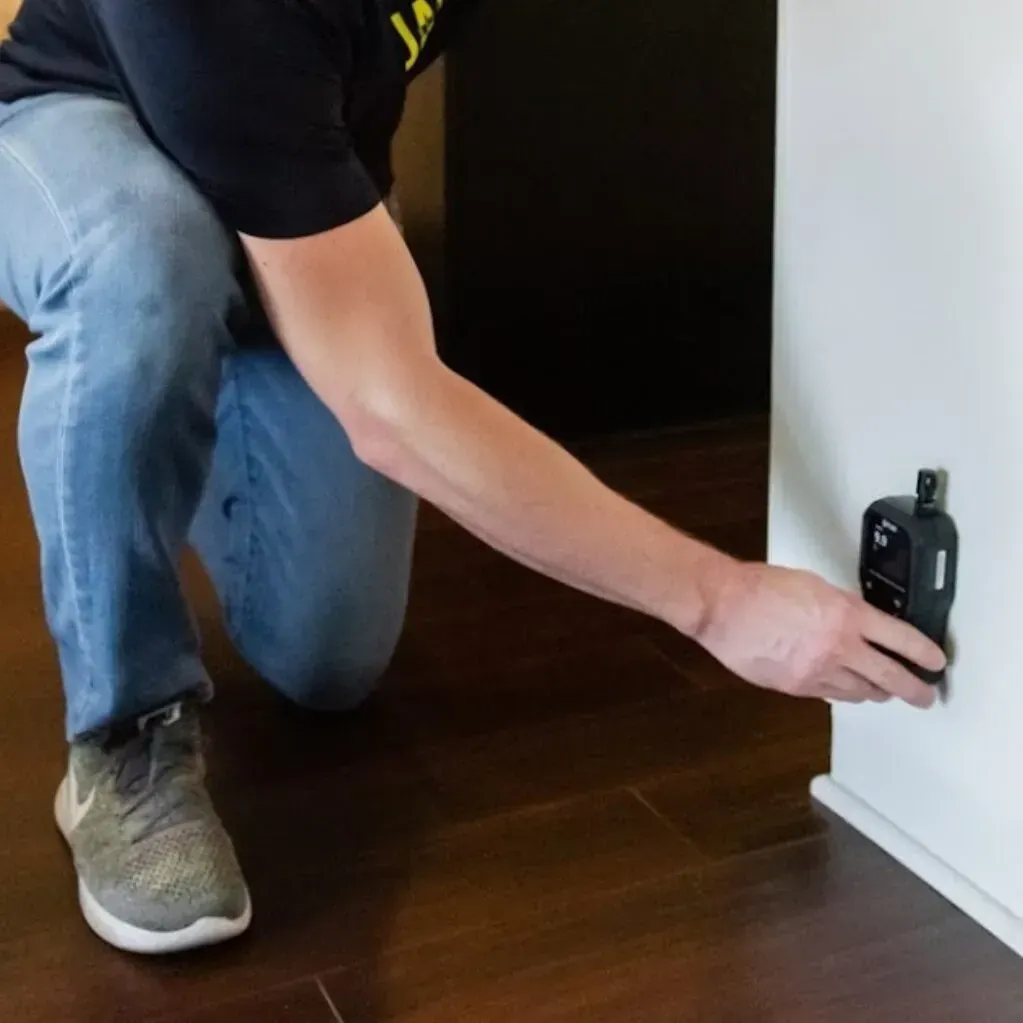
Helps answer where moisture is coming from and what materials are affected (cause + scope).
Testing
Helps document what’s in the air or on surfaces right now, especially when concerns are hidden, disputed, or require baseline comparison.
Remediation
The controlled process of removing/cleaning impacted materials and preventing cross-contamination, paired with drying and repairs so the problem doesn’t return.
That “tool choice” matters because the wrong first step often leads to dead ends—like chasing readings without correcting the source, or cleaning visible areas while hidden dampness continues feeding the problem.
What to Do Next: Owners vs. Renters
Homeowners: Start With a Mold Inspection
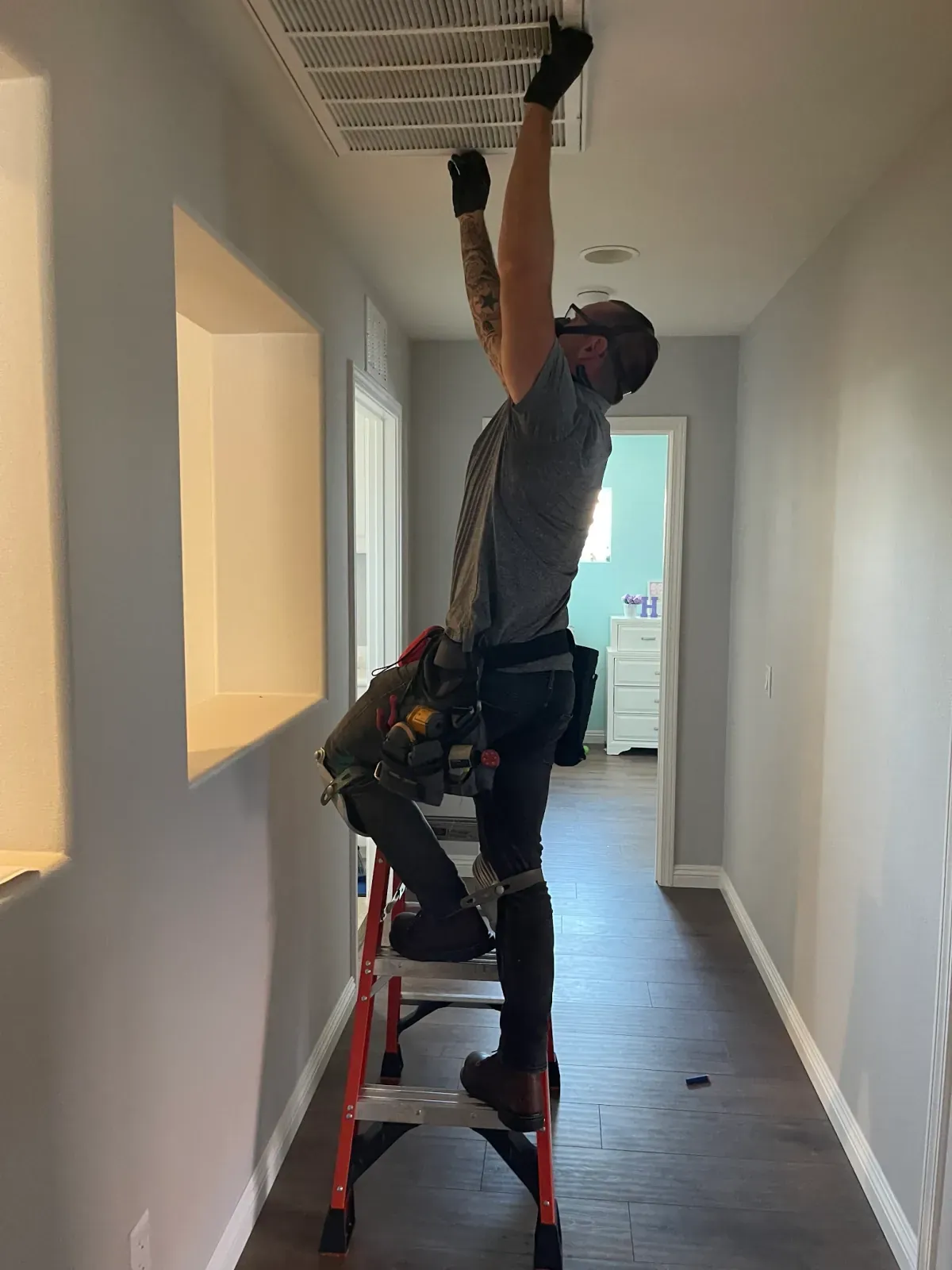
If you own the property, the most productive first step is usually a professional mold inspection focused on:
Renters: Work With Property Management First
If you rent, we always recommend trying to resolve the issue through property management first:
When Indoor Air Quality Testing Becomes the Practical Next Step
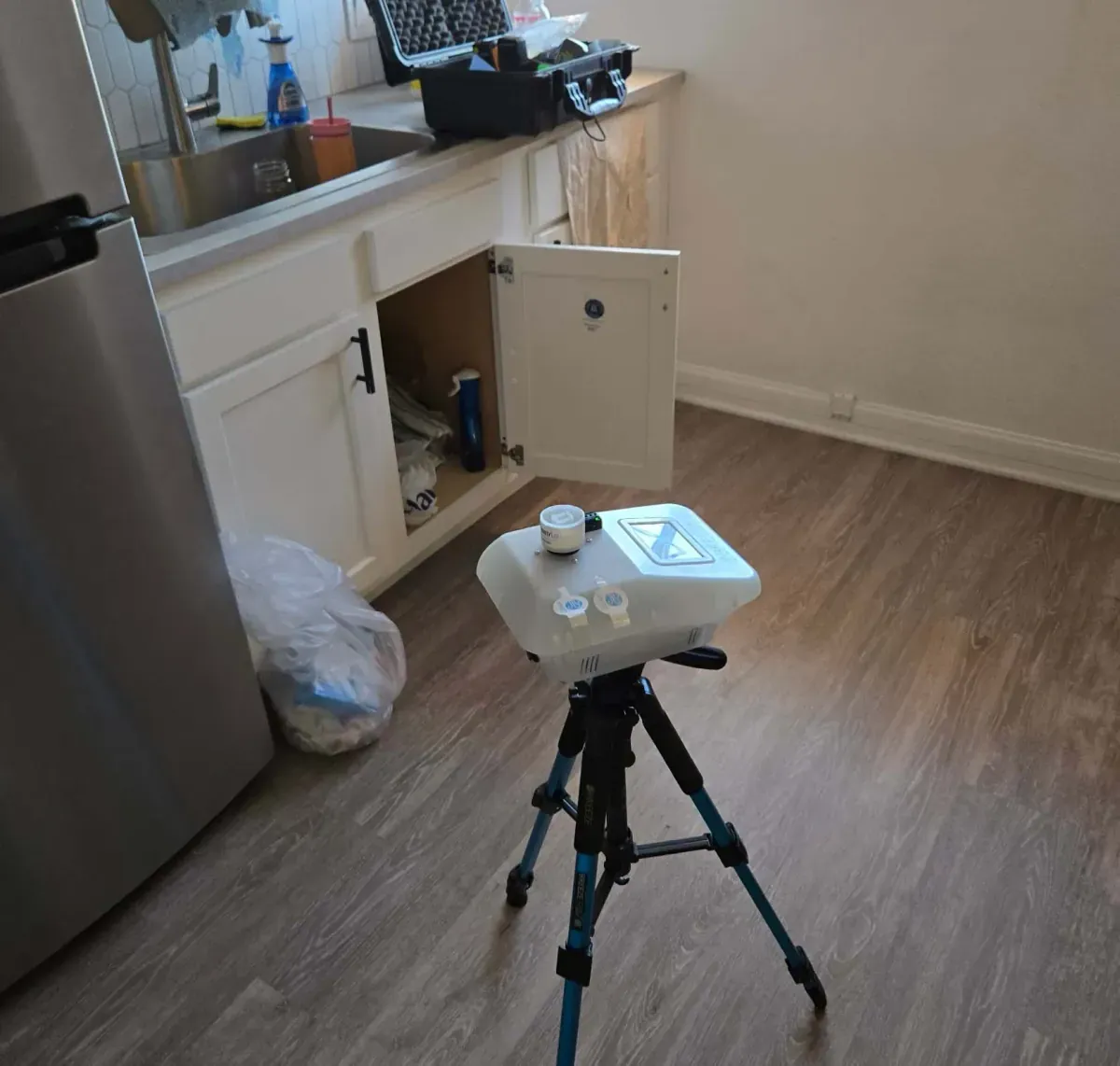
If those attempts have been exhausted and you're still stuck, an IAQ test is often the most effective way to create objective documentation that can move the conversation forward. A renter-focused IAQ evaluation is designed to answer:
Sources & Further Reading
Why This Page Exists
We created this page because mold conversations often get polarized—either minimized (“it's nothing”) or sensationalized (“everything is toxic”). Dr. Marinkovich's legacy reminds us there's a better third path:
Take occupant concerns seriously. Document the conditions. Correct moisture. Verify results.
Frequently Asked Questions
Do you have to identify the exact mold species to know it’s a problem?
Not usually. CDC notes it’s not necessary to determine the type of mold—mold should be addressed by fixing moisture and removing/cleaning impacted materials appropriately.
Is "black mold" automatically more dangerous?
Not necessarily. EPA explains "black mold" isn’t a scientific category and can be misleading.
Why do some people feel worse even if mold isn’t visible?
Growth may be hidden (behind drywall, under flooring, inside cavities), and exposure can involve spores and fragments. The building conditions and moisture history often tell the real story.
Important
Related Services
Dr. Marinkovich’s work reinforces what major agencies recommend: address moisture, document conditions, and verify results. Our services help you do exactly that.
Mold Inspection
Visual and diagnostic assessment to identify moisture sources, map affected materials, and create a clear correction plan.
Air Quality Testing
Lab-certified indoor air sampling with outdoor baseline comparison and interpreted reporting for objective documentation.
Mold Remediation
Professional removal and restoration when inspection or testing reveals conditions requiring corrective action.