

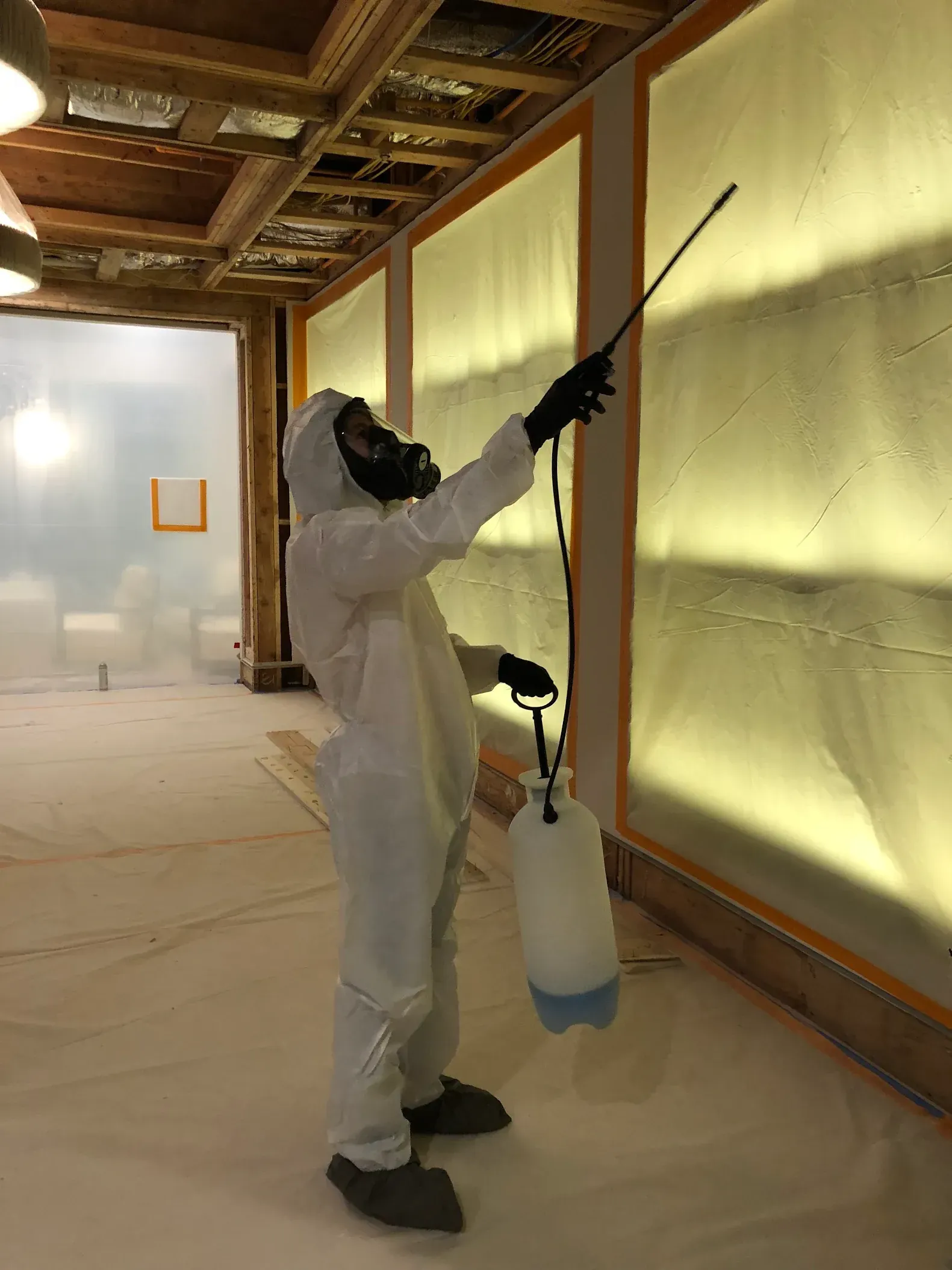
Sewage Cleanup &
Black Water
Category 3 Water Damage Restoration
Sewage backups and contaminated water events require a different scope and a different safety profile than a clean water leak. Don’t treat it the same — the contamination level, disposal requirements, and health risks are fundamentally different.
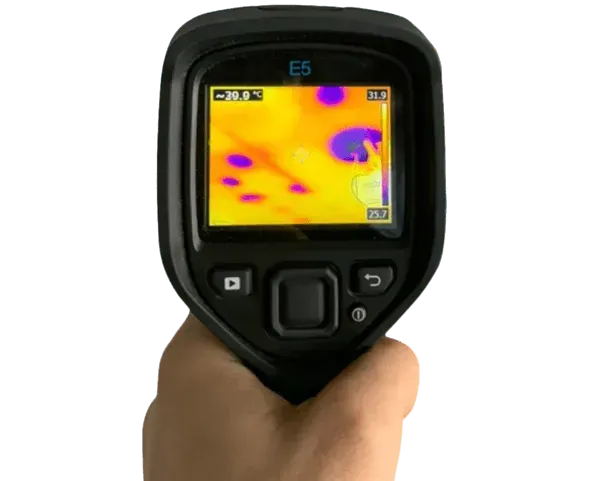
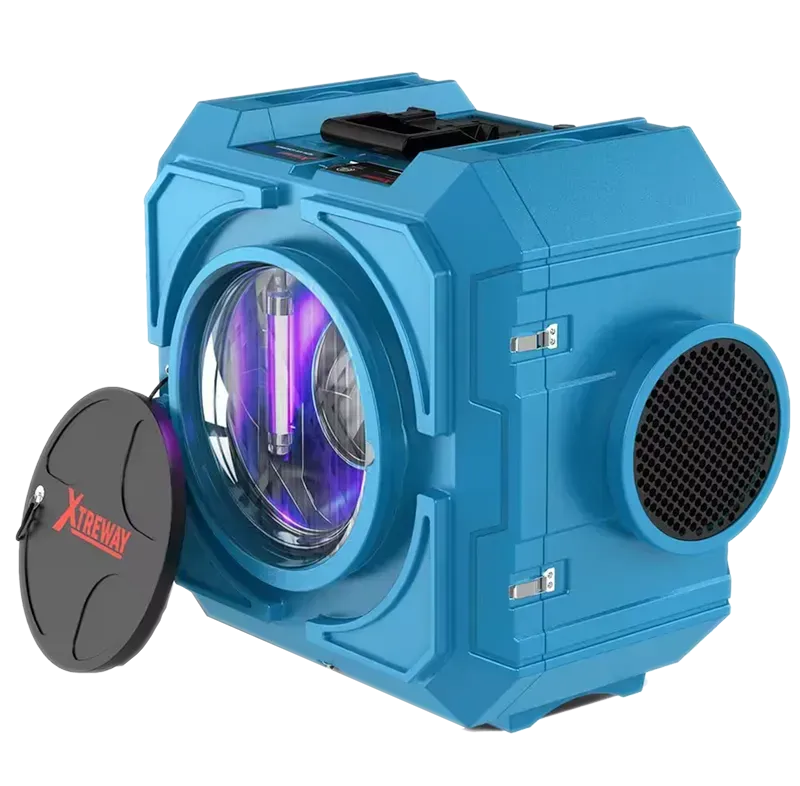
Sewage Cleanup & Decontamination
Sewage and heavily contaminated water events (Category 3 / black water) carry pathogens, bacteria, and organic waste that pose direct health risks. The IICRC S500 standard classifies this as the highest contamination category — requiring controlled extraction, removal of affected porous materials, disinfection, and proper disposal.
At RCR Environmental, we handle sewage backups, toilet overflows, flood intrusion, and other contaminated water events with the controls and precautions the situation requires. We bill your insurance company directly and document everything from day one.
CERTIFIED & Recommended




Why Sewage Cleanup Is Different
A clean water supply line break and a sewage backup may both put water on your floor — but the contamination level, safety controls, and scope of work are completely different.
Health Risk
Sewage can contain bacteria, viruses, parasites, and other pathogens. Direct contact, aerosolization during cleanup, and residual contamination all pose risks that require controlled handling and PPE.
Material Disposal
Porous materials contacted by sewage — carpet, pad, insulation, drywall — generally cannot be safely cleaned and must be removed and disposed of properly.
Regulatory Controls
OSHA guidance emphasizes proper PPE selection and hazard assessment for sewage exposure scenarios. Professional controls aren’t optional for this type of event.
Common Sewage Events We Handle
Sewer Line Backups
Sewage backing up through floor drains, tubs, or shower drains. Often caused by main line blockages, tree root intrusion, or municipal system issues.
Toilet Overflows
When a toilet overflows beyond the bowl with fecal matter, it's classified as contaminated water regardless of the volume. The scope is different from a supply line drip.
Flood Water Intrusion
Rising exterior flood water is classified as Category 3 by default — it picks up sewage, chemicals, and debris from the ground, storm drains, and septic systems.
Septic System Failures
Failed or overloaded septic systems can introduce raw sewage into the home through plumbing fixtures or ground-level intrusion.
How We Handle Sewage Cleanup
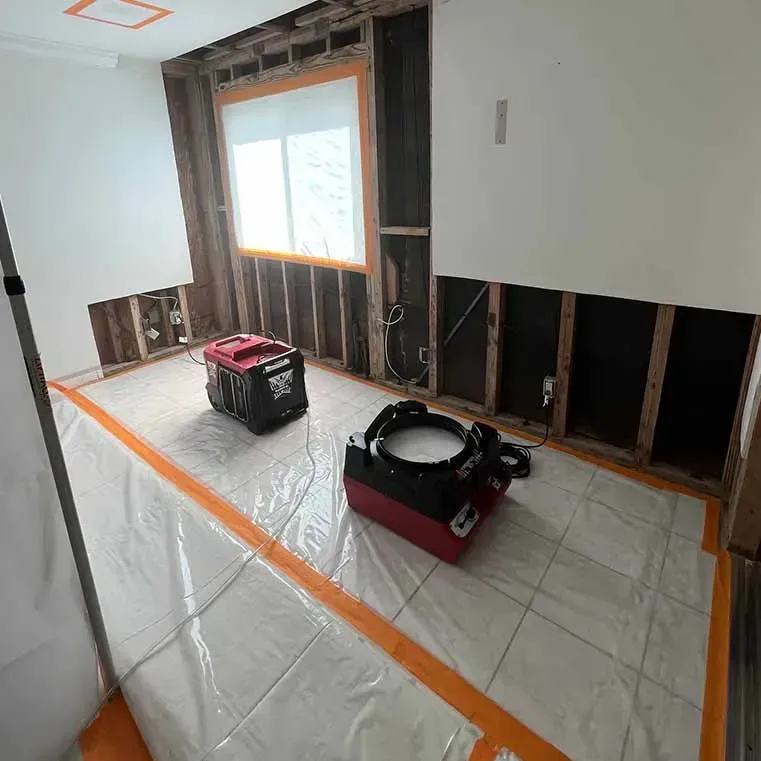
Safety assessment and isolation
We assess electrical hazards, structural concerns, and contamination spread. Affected areas are isolated to prevent tracking contamination into clean spaces.
Controlled extraction
Contaminated water is extracted using professional equipment with appropriate handling procedures. We don’t use the same equipment and methods for sewage that we’d use for clean water.
Removal of affected porous materials
Carpet, pad, insulation, drywall, and other porous materials contacted by sewage are removed and disposed of properly. These materials cannot be reliably cleaned.
Cleaning and disinfection
Remaining structural surfaces are cleaned and disinfected using appropriate products and procedures. This includes framing, subfloor, and any non-porous surfaces that can be effectively decontaminated.
Controlled drying and verification
Professional drying equipment is installed and monitored daily until materials reach dry standards. Moisture readings, humidity, and temperature are tracked and documented.
Documentation for insurance
Photos, moisture readings, monitoring logs, and scope documentation are provided for your insurance claim file. We bill your carrier directly.
Understanding Water Contamination Categories
Restoration professionals classify water by contamination level. This classification determines the scope, safety controls, and whether materials can be saved.
Category 1 — Clean Water
From a sanitary source (supply lines, faucets). Lowest contamination risk, but can worsen if left standing or mixed with building materials.
Category 2 — Gray Water
Contains some contamination (dishwasher, washing machine, toilet overflow with urine only). Requires additional precautions during handling.
Category 3 — Black Water
Heavily contaminated (sewage, rising flood water, toilet overflow with feces). Requires controlled cleanup, PPE, and disposal of affected porous materials.
Water can change categories over time. Clean water that sits for an extended period or contacts contaminated materials may be reclassified as gray or black water, changing the required scope of work.
Sewage Cleanup & Restoration
Don’t DIY a Sewage Backup
Sewage events require controlled extraction, proper disposal, disinfection, and documentation. We handle the entire process — including direct billing to your insurance company — so you can focus on your family, not the cleanup.
Frequently Asked Questions
Can I clean up sewage myself?
We strongly advise against it. Sewage contains pathogens that pose real health risks, and improper cleanup can leave behind contamination that isn’t visible. Professional controls, PPE, and proper disposal procedures are important for this type of event.
Does insurance cover sewage cleanup?
Most homeowner’s policies cover sudden and accidental sewage events (like a sewer line backup). We bill your insurance carrier directly and handle the documentation and coordination. Check your policy for sewer/drain backup coverage — some policies require an endorsement.
How fast should sewage be cleaned up?
As soon as possible. Contamination spreads and health risks increase the longer sewage sits. CDC guidance stresses cleanup and drying within 24–48 hours when possible to reduce secondary damage and microbial growth.
Do you remove carpet and drywall during sewage cleanup?
Generally, yes. Porous materials contacted by sewage (carpet, pad, insulation, drywall below the contamination line) cannot be reliably cleaned and are removed and disposed of. Non-porous and semi-porous materials are cleaned, disinfected, and dried.
Related Water Damage Services
Sewage cleanup is one part of our water damage restoration services.
Structural Drying & Dehumidification
Professional drying and monitoring after water extraction.
Dehumidification & Drying (Remediation)
When moisture in building materials needs to be removed to prevent mold regrowth.
Mold Remediation
When water damage leads to mold growth requiring professional removal.
Related Services
Sewage events often connect to broader restoration needs. Explore our related services.
Water Damage Restoration
Complete water damage restoration including dry-outs, structural drying, and insurance documentation.
Mold Remediation
When contaminated water leads to mold growth, professional remediation addresses the secondary damage.
Mold Inspection
If sewage or water damage has been present for an extended period, inspection can identify secondary mold concerns.